Prepared for what lies ahead in tourism
Stay up-to-date with current, independent statistics and information on tourism in the Alpine region.
 Inspiration

F.act: Why have Innsbruck Tourismus and Seefeld committed themselves to the topic of accessibility?

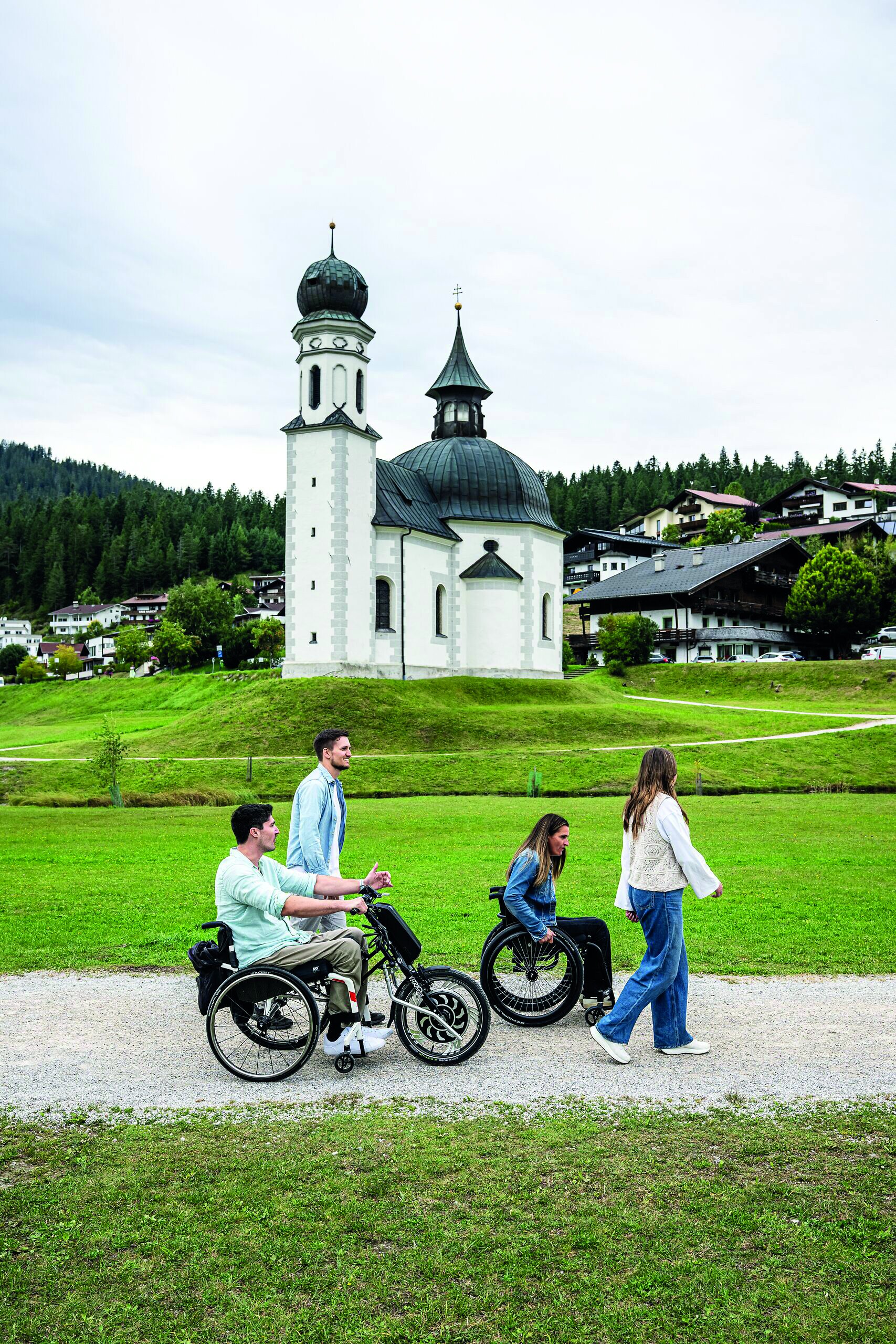
Theresa Geißel & Michaela Kraler: For us, accessibility is not a peripheral issue, but a central component of sustainable tourism development. Our aim as destinations is to design vacation experiences in such a way that as many people as possible can take part - regardless of their physical, sensory or cognitive abilities. In the European Union, around a quarter of the adult population lives with some form of disability. In addition, there are older guests or families with baby carriages, for whom low-barrier offers also play a major role.
Against this backdrop, we see accessibility as both a social responsibility and an opportunity for tourism. It is about making barriers visible and gradually removing them - in infrastructure as well as in communication and service. Our aim is to create regions where as many guests as possible feel welcome and can experience their leisure time in a self-determined way. Inclusion does not mean perfection, but the will to critically question and continuously improve existing structures.
F.act: What important insights do you as destinations take away from this project?
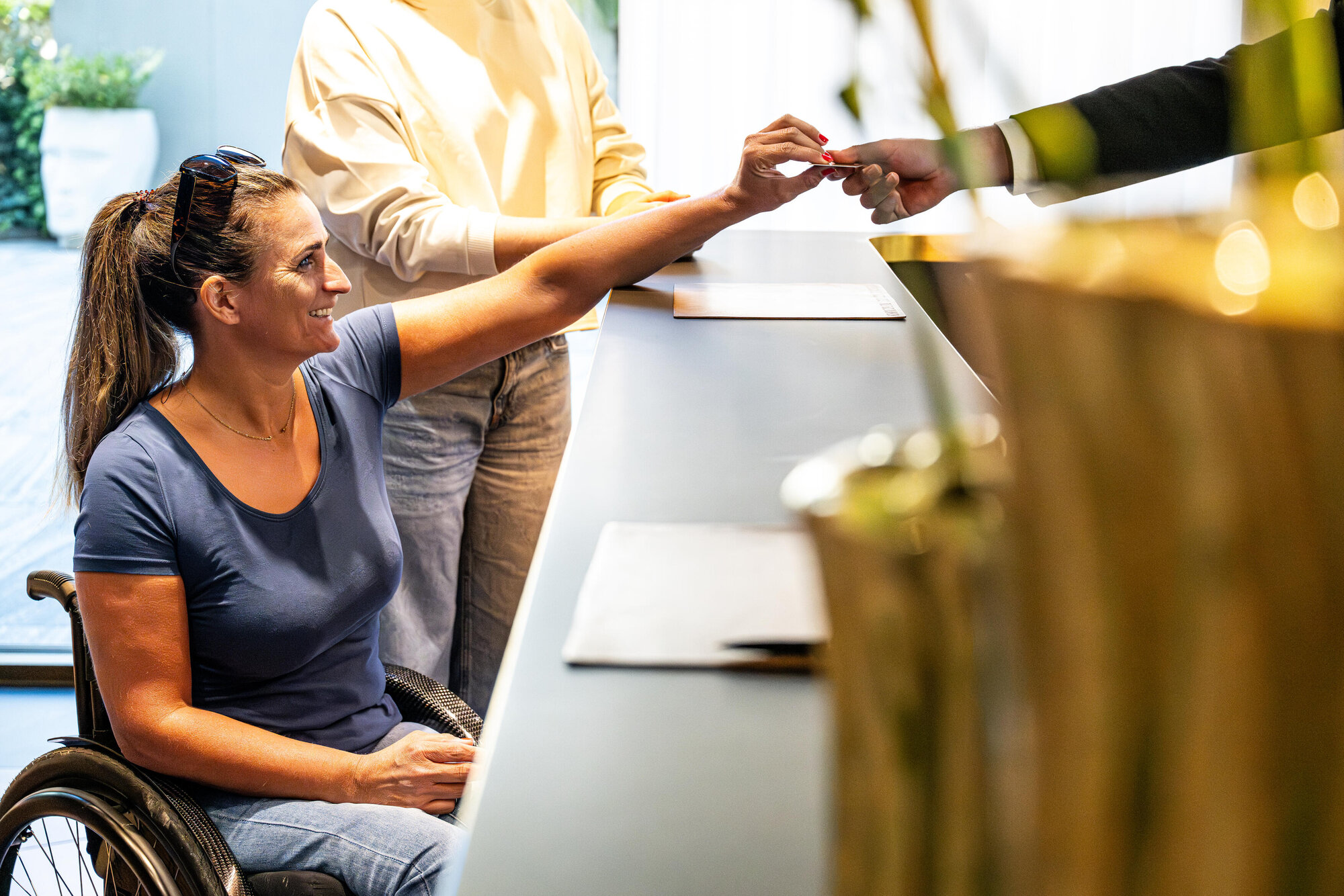
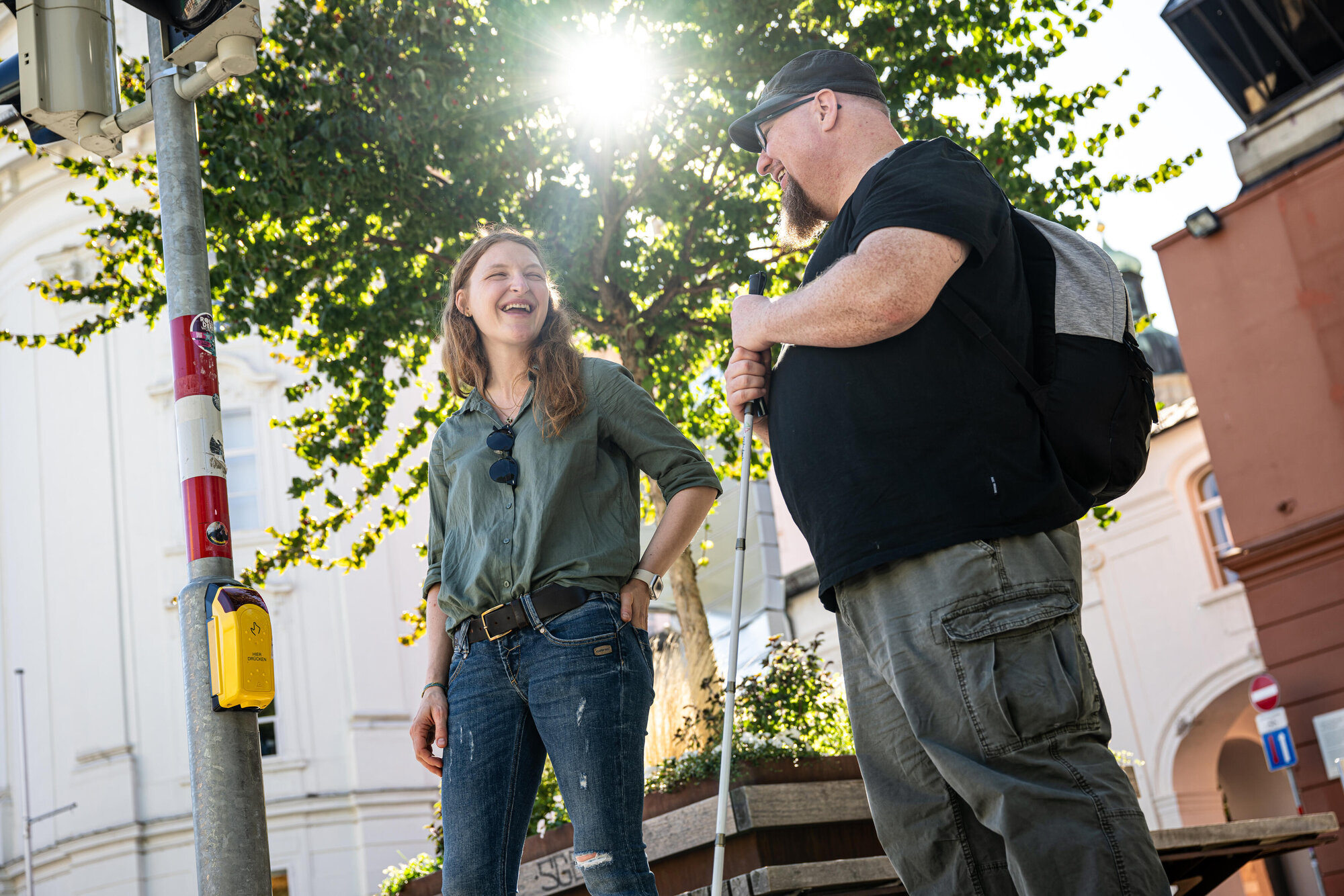
Theresa Geißel & Michaela Kraler:One of the most important findings from the project is that accessibility encompasses far more than just structural measures. Of course, step-free access or easily accessible infrastructure are important prerequisites. At the same time, factors such as easy-to-find information, sensitized employees and clear communication also play a major role.
The workshops with tourism businesses were therefore particularly valuable, where participants were able to experience barriers from a new perspective - for example in a wheelchair or with simulation glasses for impaired sensory perception. This self-awareness made it clear to many participants how small obstacles in everyday life can have a major impact. At the same time, it became clear that improvements can often be made with simple measures.
Another important result is the practical guide for inclusive hospitality. It brings together knowledge, specific recommendations for action and checklists for tourism businesses and is intended to provide guidance on how accessibility can be implemented step by step.
F.act: What advice would you give to other destinations or businesses that want to actively address the issue of accessibility?
Theresa Geißel & Michaela Kraler: The most important first step is to approach the topic openly and pragmatically. Accessibility is rarely achieved through a single large measure, but through many small improvements along the entire guest journey - from the information before arrival to the stay on site. It is helpful to look at the topic together with experts and affected people. The direct exchange helps to better understand needs and develop realistic solutions. At the same time, practice shows that raising awareness within the team plays a crucial role: When employees are able to understand the challenges faced by guests, their view of service and communication often changes.
Another key point is transparency. Guests with special requirements plan their trips very consciously. Clear and reliable information on accessibility, infrastructure and offers helps them to consider a destination or business in the first place.
It is also important to note that it is not about being 100% accessible straight away - in practice, this is often almost impossible to achieve in full anyway. Rather, it is about approaching the topic openly and implementing improvements step by step. Companies do not need to be afraid of the topic: Every measure, even a small one, can already make a big difference.
Our advice is therefore to simply get started, gain experience and develop step by step. Accessibility is not a one-off project, but a long-term quality development - for guests as well as for businesses and destinations.