

Prepared for what lies ahead in tourism
Stay up-to-date with current, independent statistics and information on tourism in the Alpine region.
 Project
According to Eurostat, almost one in four tourist overnight stays by EU citizens are made by guests aged 65 and over. In 2022, the group of 65-year-olds and older accounted for more than a fifth (21.1%) of the EU population. The proportion of people aged 80 and over is expected to double by 2080. This demographic change plays a crucial role for destinations with regard to the important issue of customer loyalty. Older generations have greater potential as regular guests than younger guest segments. Due to the sharp declines caused by the pandemic (minus 27.9 %), the tourism target group of senior citizens is showing a high level of loyalty on the one hand, but also a partial increase in restrictions and the need for a higher degree of inclusive measures on the other. The target group of senior citizens therefore holds great potential for the tourism industry, as they can potentially also spend their vacations outside the main seasons and thus reduce seasonality. They also tend to stay longer overall.
This group of senior citizens with age-related limitations, who also benefit from inclusive offers and barrier-free service chains, and people with disabilities is growing and is already a key target group for tourism today. Large-scale studies at European level have identified a market potential of around 860 million trips for inclusive tourism offers within the EU by 2020. Due to higher life expectancy and the desire to remain active, modern and digital product developments are also important. At the same time, there is a demand for barrier-free and easily accessible (mobile) information services in the form of web-based services.
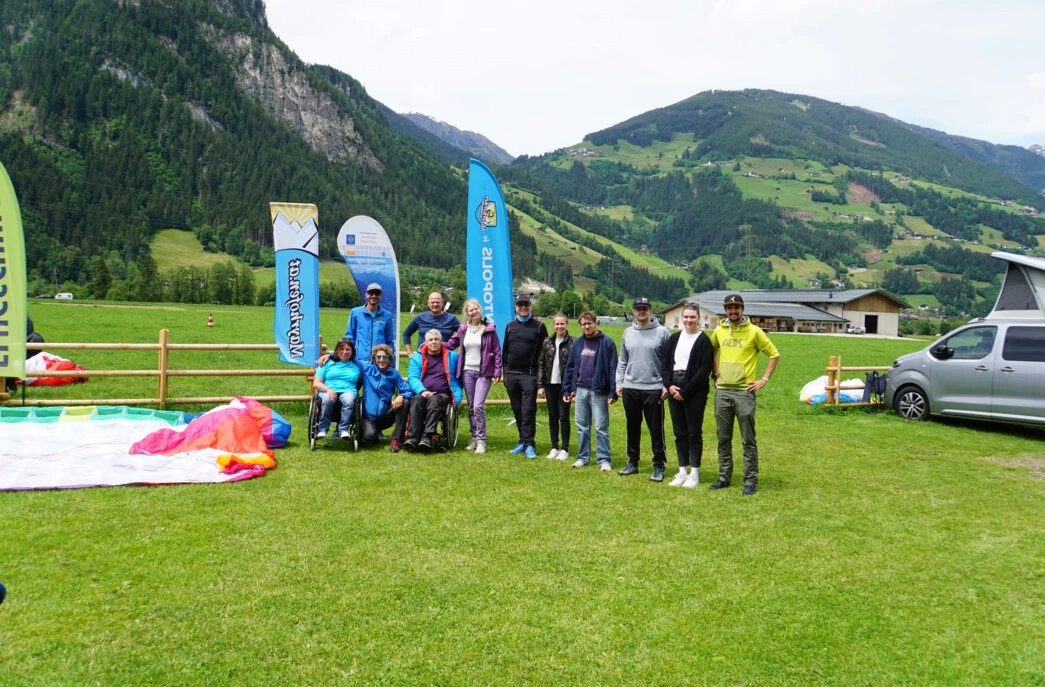
In line with the current paradigm shift through the Social Model of Disability, the research project targets those places in the tourism environment where disability arises or becomes a challenge for providers. Inclusive tourism not only takes into account various national and international legal obligations, but also various target group segments (e.g. senior citizens, people with disabilities). The project focuses on identifying the opportunities and challenges of inclusion for the tourism industry and on closing gaps in inclusive service chains through digital offerings.