Inspiration

Ötztal mobility strategy: Sustainable destination development

How can a tourism region reduce traffic and ensure mobility at the same time? Destination Manager Christoph Rauch provides insights into the Ötztal 2030 mobility strategy - with clear goals, initial successes and open challenges for a sustainable future in the Alpine region.
Interview: Mag. (FH) Christoph Rauch, Destination Manager / TVB Ötztal Tourismus

F.acT: What is Ötztal's mobility strategy?

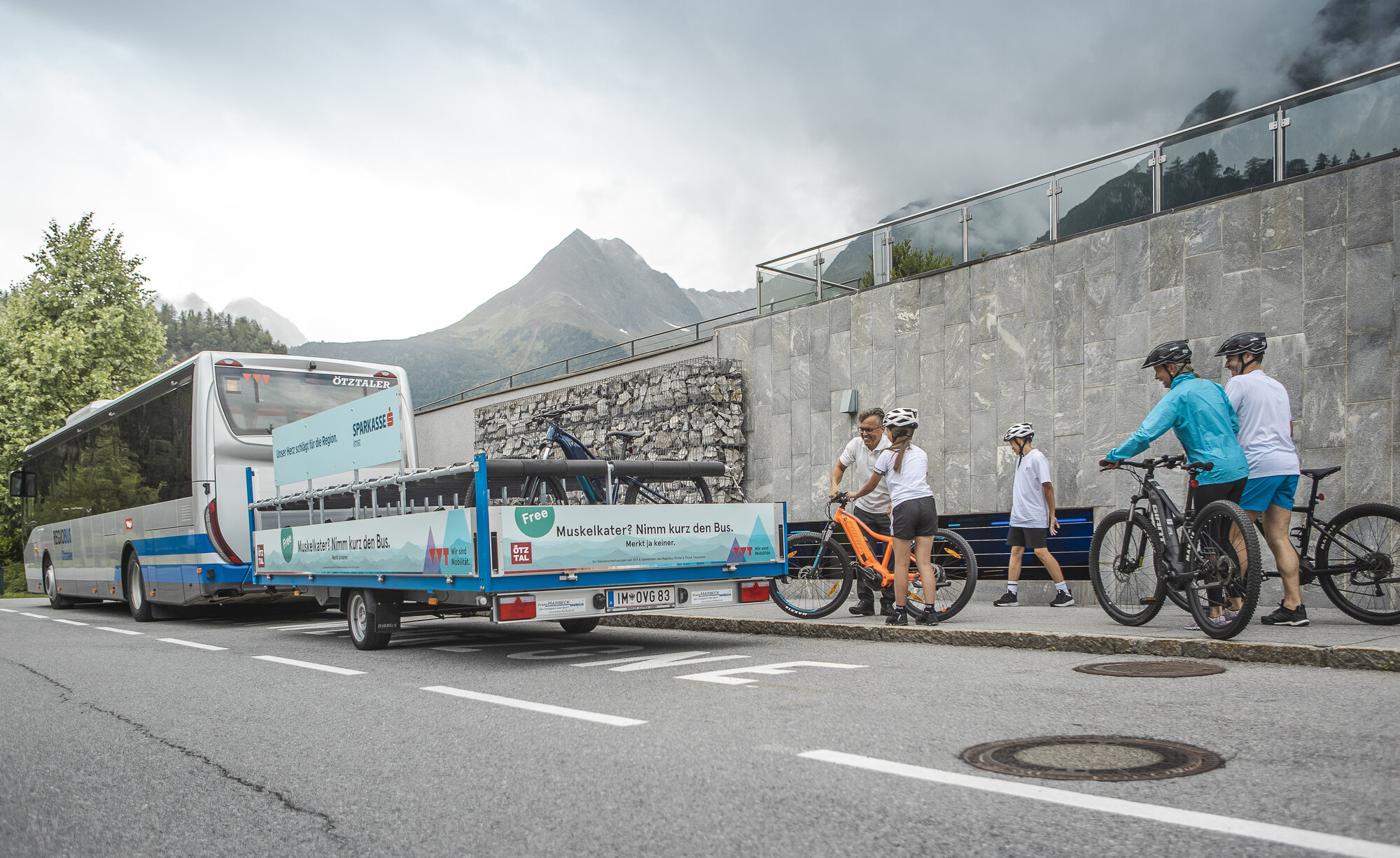
Christoph Rauch: The aim of the Ötztal 2030 mobility strategy is to establish sustainable, long-term mobility in Tirol's longest side valley. Surveys and expert opinions were used to create a sound basis for long-term transport development. The extensive analyses were followed by the implementation of the first concrete measures in summer 2021, which are aimed at shifting from cars to public transport, among other things. Constantly rising traffic figures make a change in mobility behavior necessary. Instead of using their own car, people should choose the bus, bike or footpath. The introduction and expansion of parking space management in Ötztal is helping to achieve this goal. The regional buses between Ötztal-Bahnhof and Obergurgl have been running every half hour all year round for 4 years. The development of passenger numbers proves the increasing attractiveness of public transportation for locals and guests. Mobility must also be considered holistically. Another incentive to switch to public transport is the free bicycle transport on all VVT buses on the Imst/Haiming - Obergurgl route. Around 15,000 bicycles are transported on average in summer. Bikes can be safely loaded and unloaded at the designated bike bus stops. When it comes to travel and local transportation, Ötztal relies on a harmonious mix of services. Especially when it comes to trains and buses on the public side or the continuous expansion of the bike infrastructure such as the Ötztal Cycle Trail and pilot projects. This is demonstrated, among other things, by the test use of electric buses. In addition, the promotion of car-free travel by train is another component of the package of measures. Ötztal is also a partner of ÖBB Railtours with its "Nightjet into the mountains" and "Nightjet into the snow" offers.

In the course of the mobility strategy, incentives were also created so that locals can also make good use of public transport services. With the already established Ötztal Summer Card for locals, a summer season ticket was created with which valley residents can conveniently visit various leisure attractions by bus throughout the region. With offers like this and increased communication by landlords and receptionists, awareness of the use of public transport is promoted among locals and guests.

F.acT: What are the biggest challenges in implementing the mobility concept?

Christoph Rauch: Definitely the financing. The public transport service is not just about serving the valley floor and the village centers, but also offering mobility services away from the "mainstream", such as to Vent or to Niederthai or Gries all year round. The topography of the valley with its extensive transport network is in itself a challenge when it comes to offering the "last mile". This requires a show of strength from all financial partners. The income from ticket sales only covers a small part of the total costs of local public transport. The municipalities of the Regiobus Ötztal concept, Ötztal Tourismus but also the mountain lifts are already making a major contribution to closing the financing gap. Unfortunately, the gap is getting bigger and bigger, as provincial and federal politics also lack the budgets to finance the expansion of public transport in rural areas in the regions. However, the region and tourism alone cannot bridge the funding gap. Ötztal Tourismus alone currently invests around 1 million euros per year in public transport services. We are dependent on additional federal and state support. There are currently extreme cutbacks, which makes it very difficult to implement new projects. Above all, we also want to promote rail travel in order to relieve the pressure on private transport, but we are very dependent on the rail operators and, in turn, on politicians. It is unacceptable that long-distance trains only run directly to Innsbruck and that the Tyrolean Oberland, and therefore also the "Ötztal Bahnhof" connection point, which is so important for us, is not taken into account in the railroad expansion.

F.acT: What else do you have planned for the near future?

Christoph Rauch: The expansion of public transport must be continuously pushed forward and considered holistically. We have gaps in the year-round offer, especially in the off-seasons and in more remote areas, which need to be closed in the last mile. A comprehensive mobility offering is a "sine qua non", especially when it comes to the objective of a year-round destination. On the other hand, enormous efforts are also required in terms of service quality, be it in digital information & timetable inquiries or in service: e-charging stations, lockable bike boxes, pedestrian zones & waiting areas, modern transfer points, bus terminals with luggage storage & multimodal mobility offers will be the future. Of course, we are also hoping for the commitment and willingness to implement of the VVT (Verkehrsverbund Tirol). It will also be interesting to see how developments in the field of AI (perhaps with self-driving cars?!) will affect mobility behavior. We want to be active in this area and also take on the role of thought leader and pioneer.

Christoph Rauch

Mag. (FH) Christoph Rauch: After graduating from the "Management in the Tourism and Leisure Industry" degree program, I was able to join the up-and-coming MCI tourism team in 2004 as an assistant to the program director. After spending several months abroad in British Columbia/Canada, I took over the "Human Resources" department at the renowned Tyrolean tour operator "Travel Europe" in Stans. At the end of 2007, I could not resist the call of my homeland and I am now responsible for the further development of tourism in the Vorderes Ötztal as Destination Manager / TVB Ötztal Tourismus.

Since 2020 I have also been in charge of the Infrastructure & Mobility department at Ötztal Tourismus. As COO, I am responsible for the infrastructure agendas of the largest tourism association in Tyrol with around 30 field staff.

Mobility

Prepared for what lies ahead in tourism