
Prepared for what lies ahead in tourism
Stay up-to-date with current, independent statistics and information on tourism in the Alpine region.
 Research

F.acT: Why is this topic relevant for the Tyrolean tourism industry?

Daniela Nirschl: Sustainability and climate change are issues that affect us all. The environmental impact of mass tourism and careless behavior on the part of travelers can already be seen in Tyrol. Especially in the context of travel, there is often a gap between personal attitude and actual behavior, the so-called attitude-behavior gap. In concrete terms, this gap means that although travelers are environmentally aware and may care about nature, they do not always behave in an environmentally friendly way when they travel.
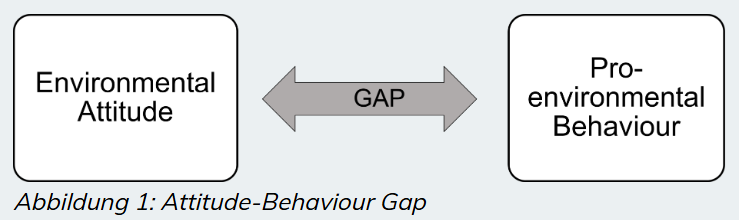
In my master's thesis, I therefore investigated how the environmental awareness of Generation Y, which represents the most important traveling generation of the next decades and is often seen as more environmentally conscious than previous generations, affects their behavior when traveling. To this end, a research model was developed to examine the relationships between different attitudinal and behavioral variables. The results of the work should also provide insights for the tourism industry on which measures can help to promote more environmentally friendly travel behavior.
F.acT: What are the core results of your work and what significance do they have for tourist destinations?
Daniela Nirschl: The results indicate that the environmental awareness of Generation Y can only influence their travel behavior to a certain extent in the direction of more environmentally friendly behavior. This influence is rather weak and depends on various factors. For example, the results show that environmentally conscious travelers are more willing to adopt simple, environmentally friendly practices such as switching off lights or saving water while on vacation. But they are not willing to travel less or use more environmentally friendly means of transportation because of their environmental awareness. The higher the perceived behavioral costs of environmental practices, the less likely they are to implement them and the wider the attitude-behavior gap. However, as the major environmental sins of travel are transportation and travel itself, it remains questionable whether the environmental awareness of Generation Y is strong enough to significantly reduce the negative environmental impact of tourism.
F.acT: What specific recommendations for action do you make in your Master's thesis?
Daniela Nirschl: The results of the study have shown that Generation Y is a suitable target group for sustainable tourism due to its positive attitude towards the environment and environmentally conscious tourism. However, whether travelers actually reflect their environmental awareness in environmentally friendly travel behavior depends, among other things, on behavioral costs. There is little point in addressing the attitudes of travellers and sensitizing them to environmental issues. Rather, sustainable travel should be made more attractive and easier to implement, as high behavioral costs, be they financial costs, time expenditure or additional efforts, lead even environmentally conscious travelers to refrain from doing so. Informative campaigns should also focus on the negative environmental impact of specific travel activities, as respondents were aware of the general impact of tourism on the environment, but not the specific impact of their personal vacation.