
Prepared for what lies ahead in tourism
Stay up-to-date with current, independent statistics and information on tourism in the Alpine region.
 Inspiration

F.acT: How did the idea of the Kultur.Land.Botschafter:in come about?

Edith Hessenberger: In the Ötztal museums, a multi-year focus entitled "Bau.Kultur.Landschaft Ötztal" was carried out in cooperation with the Federal Monuments Office, the Tyrolean Art Cadastre and the Village Renewal Department of the Province of Tyrol, resulting in a book and several exhibitions. As part of a symposium, the "Längenfeld Declaration" on the preservation of the Tyrolean built cultural landscape was formulated and signed by over 2000 people. As a result, we were faced with the question of how the endangered cultural landscape could be better preserved and protected in Ötztal. This can only be done by raising awareness among all those involved - and only by joining forces. Together with the Ötztal Nature Park and the Ötztal Habitat, we decided to develop a course that would train knowledge and awareness on the one hand and provide practical instructions on the other.
F.acT: How does this work in practice?
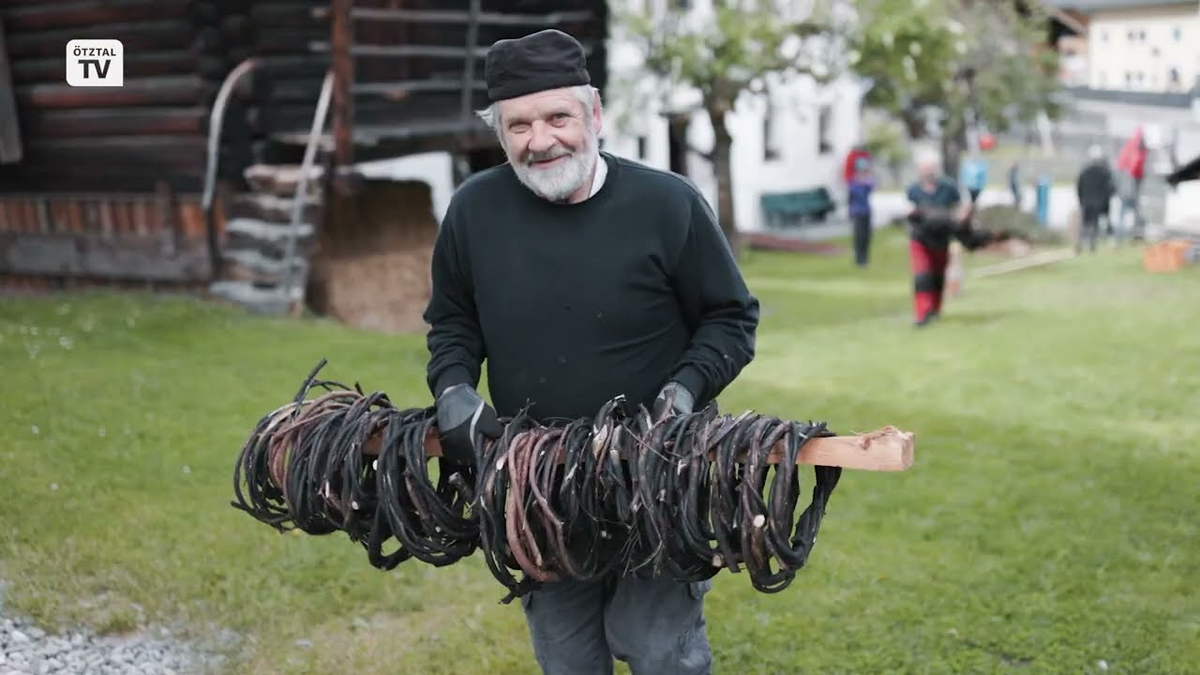
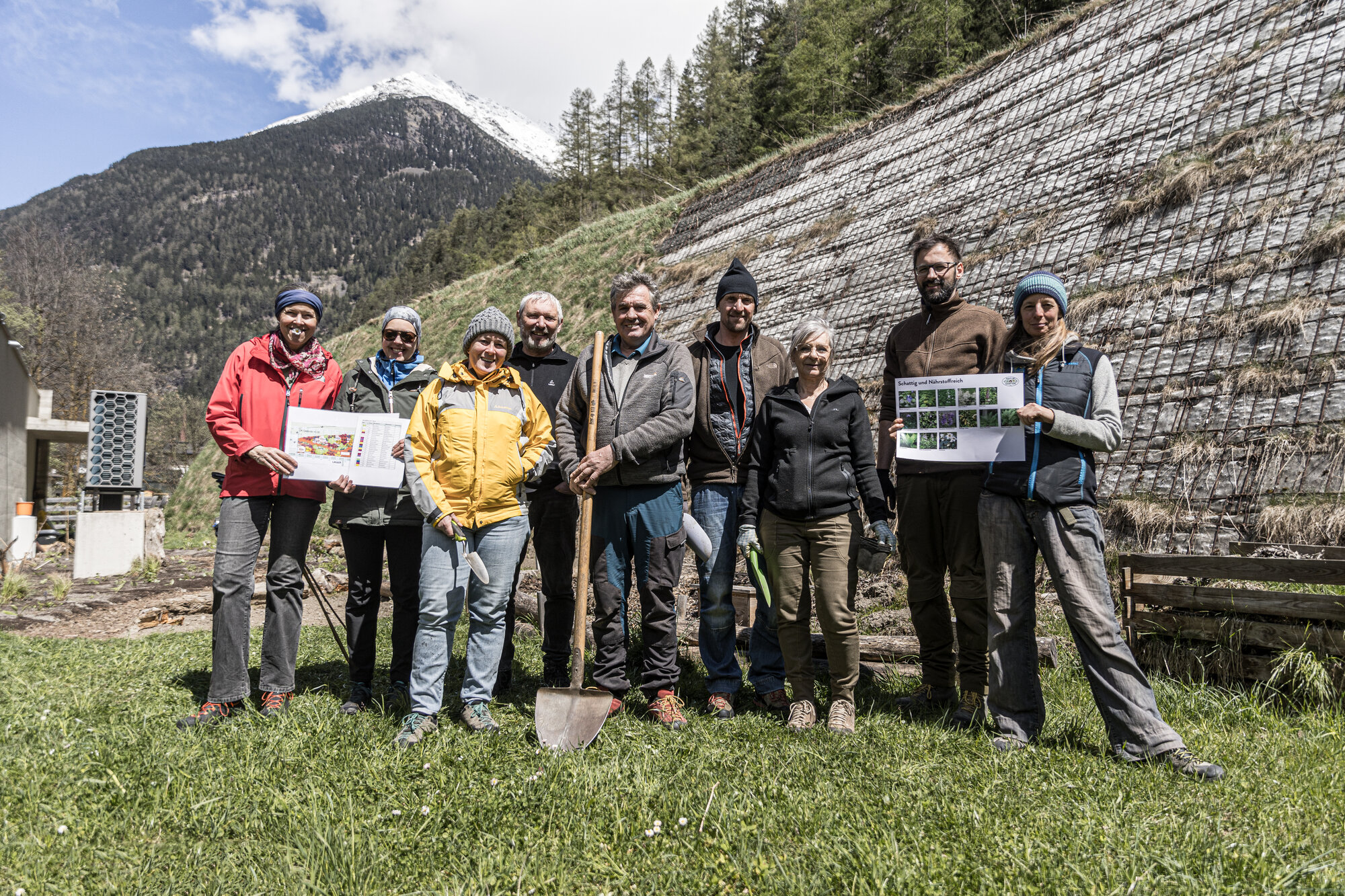
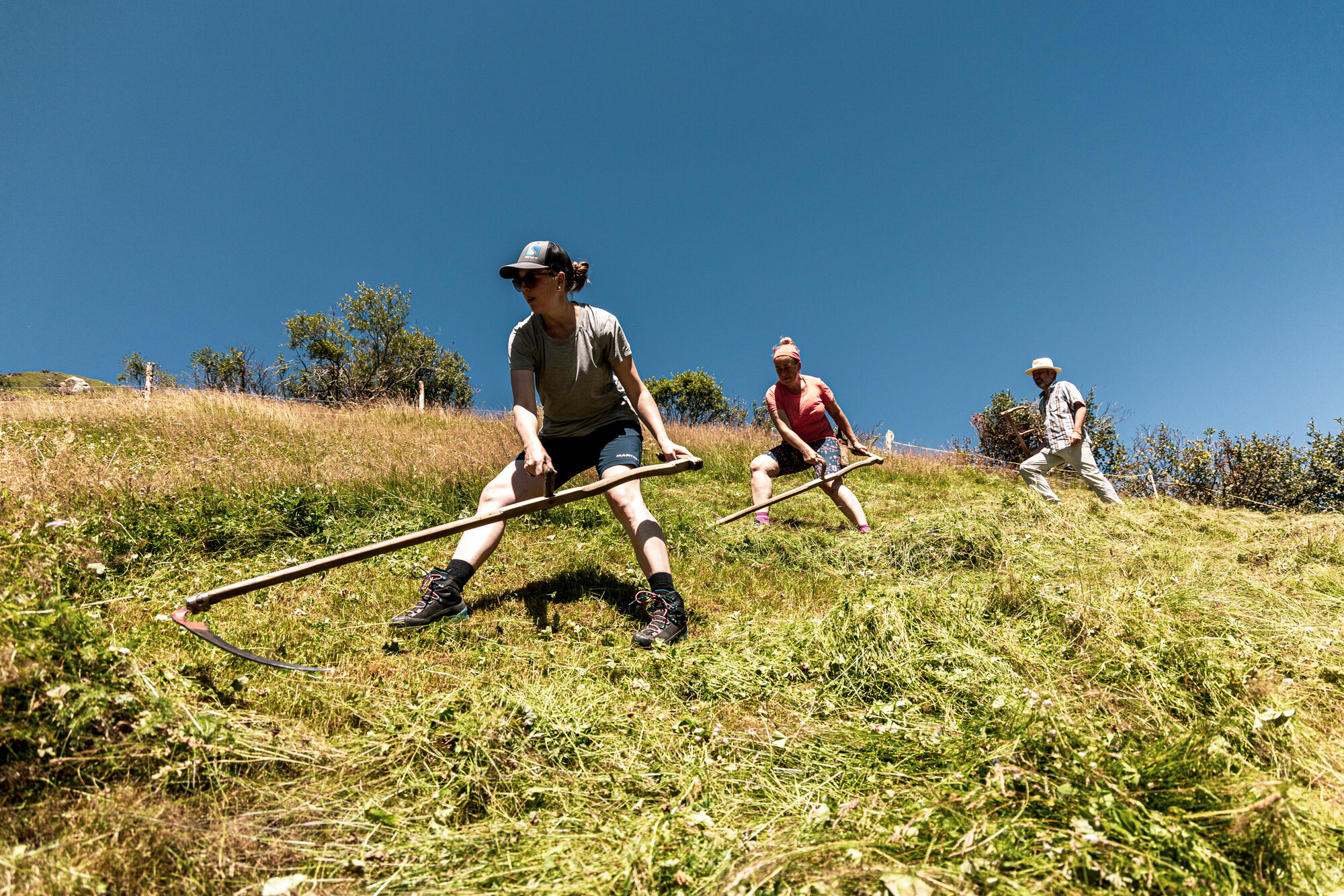
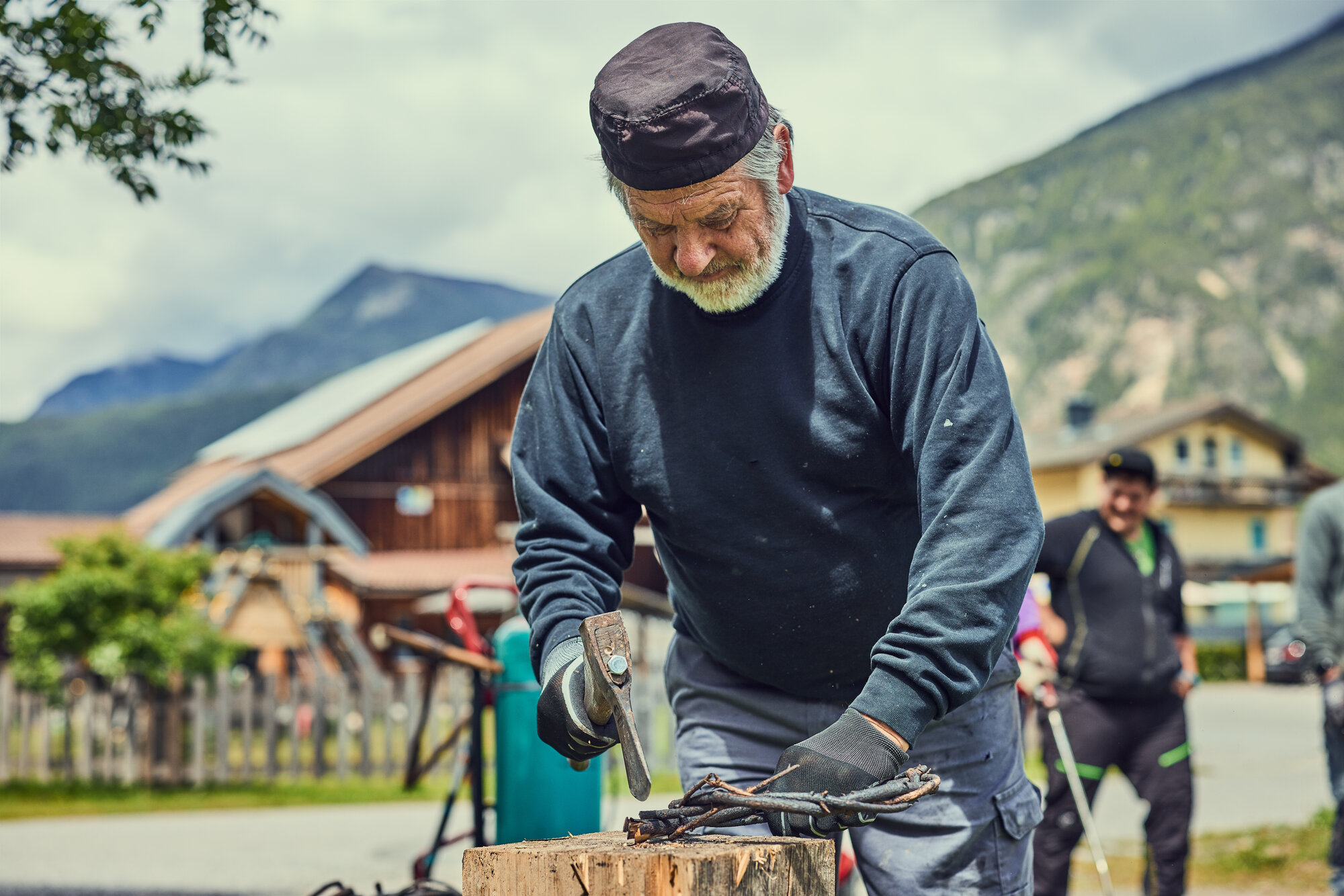
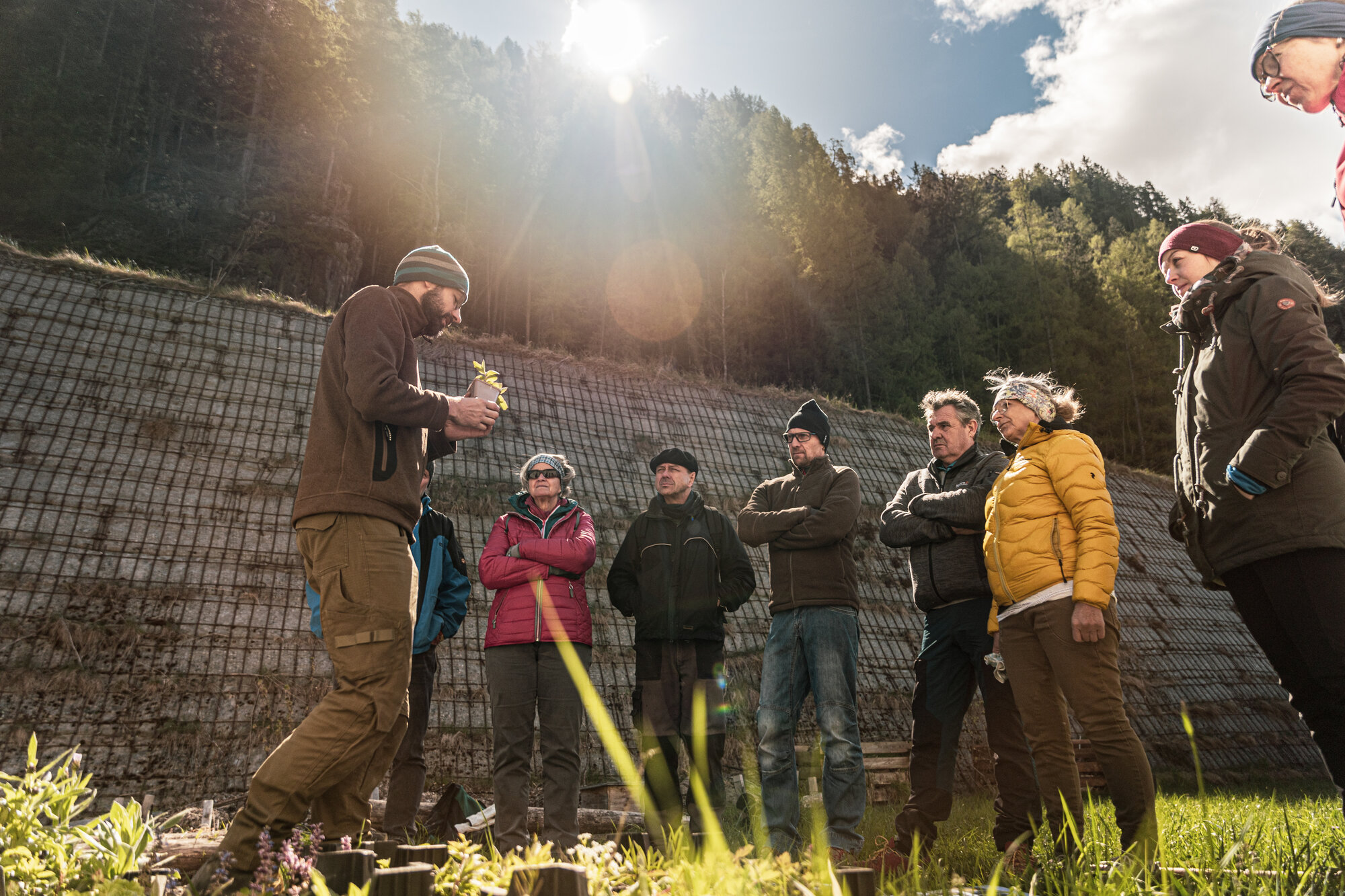
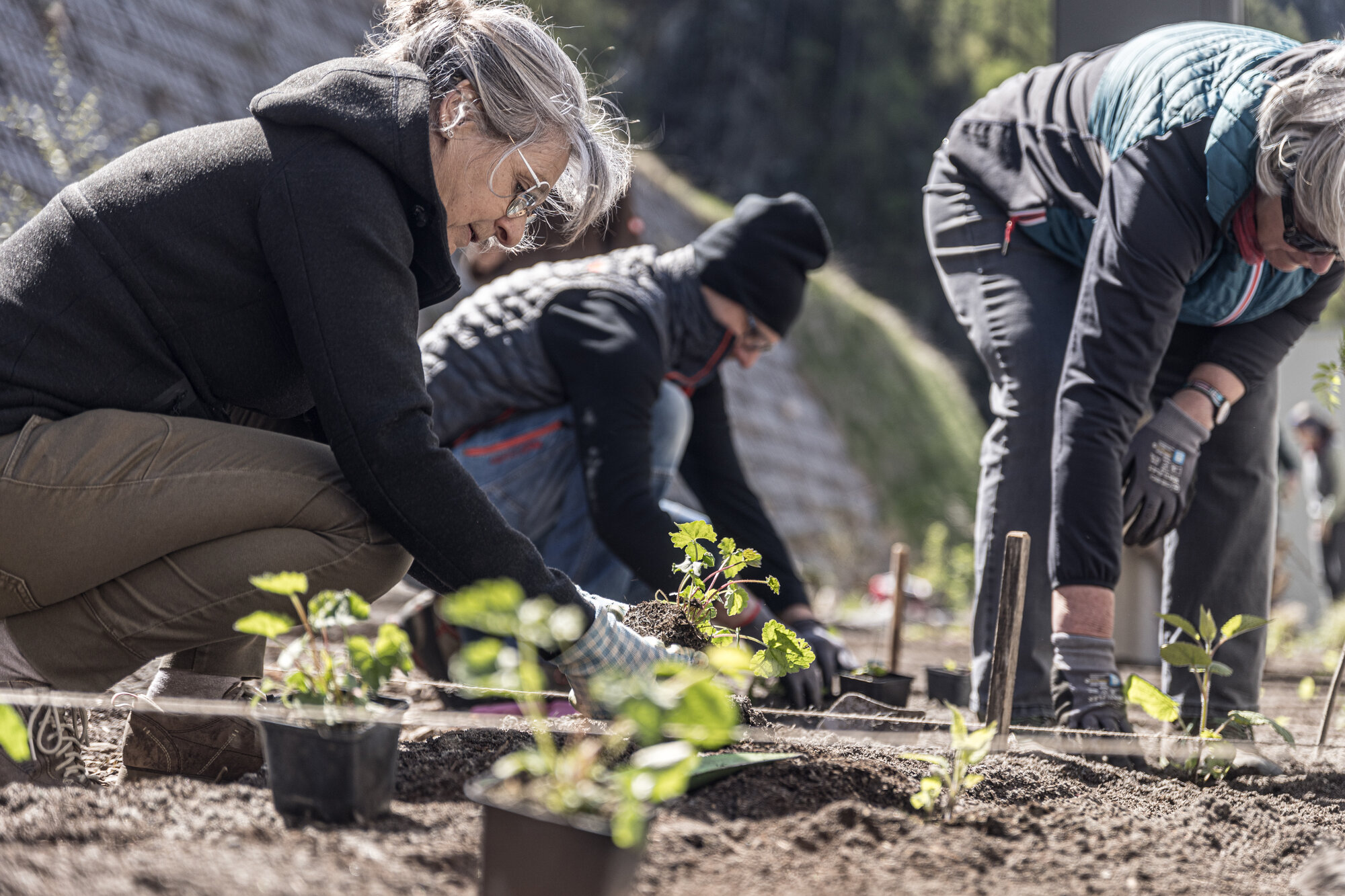
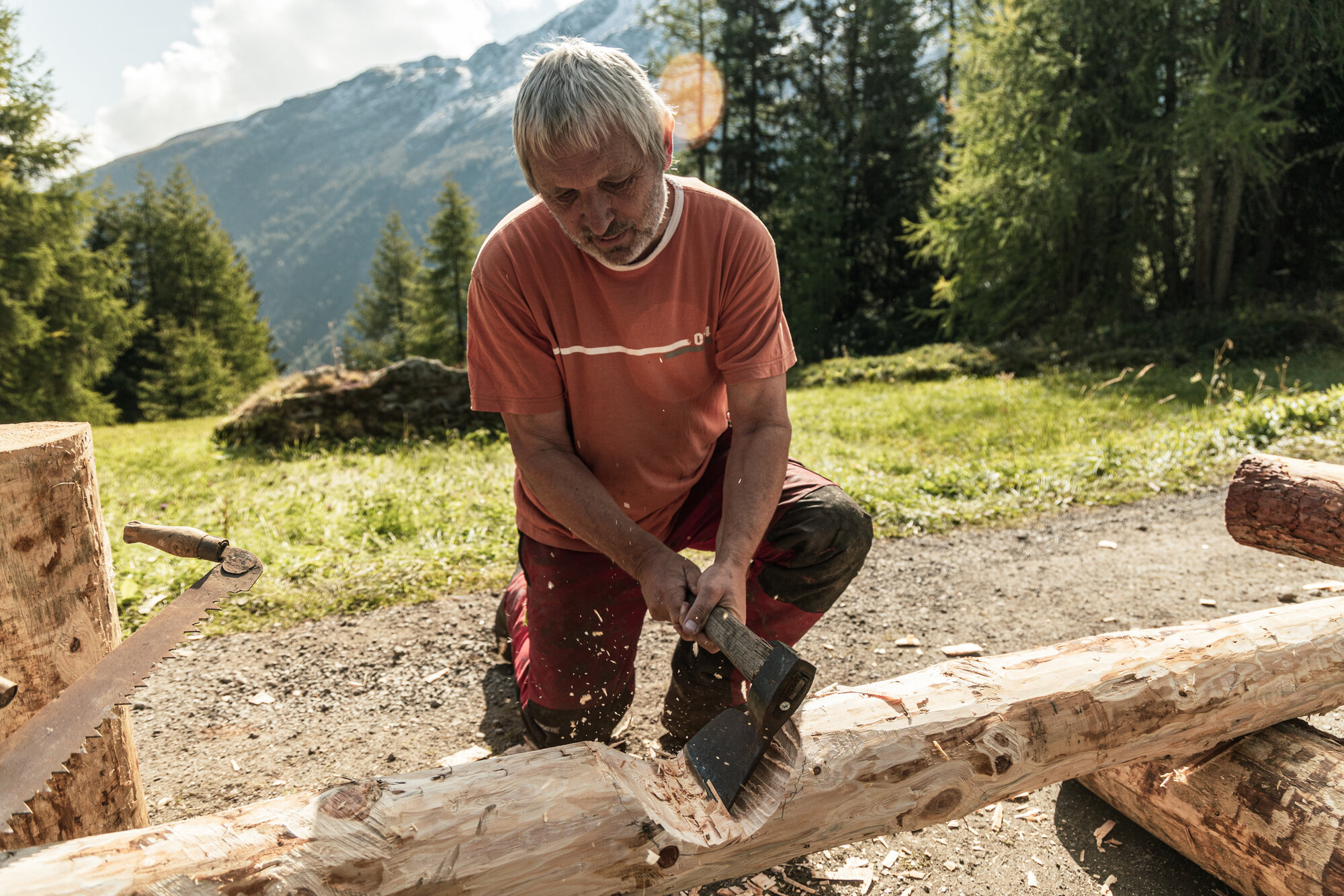
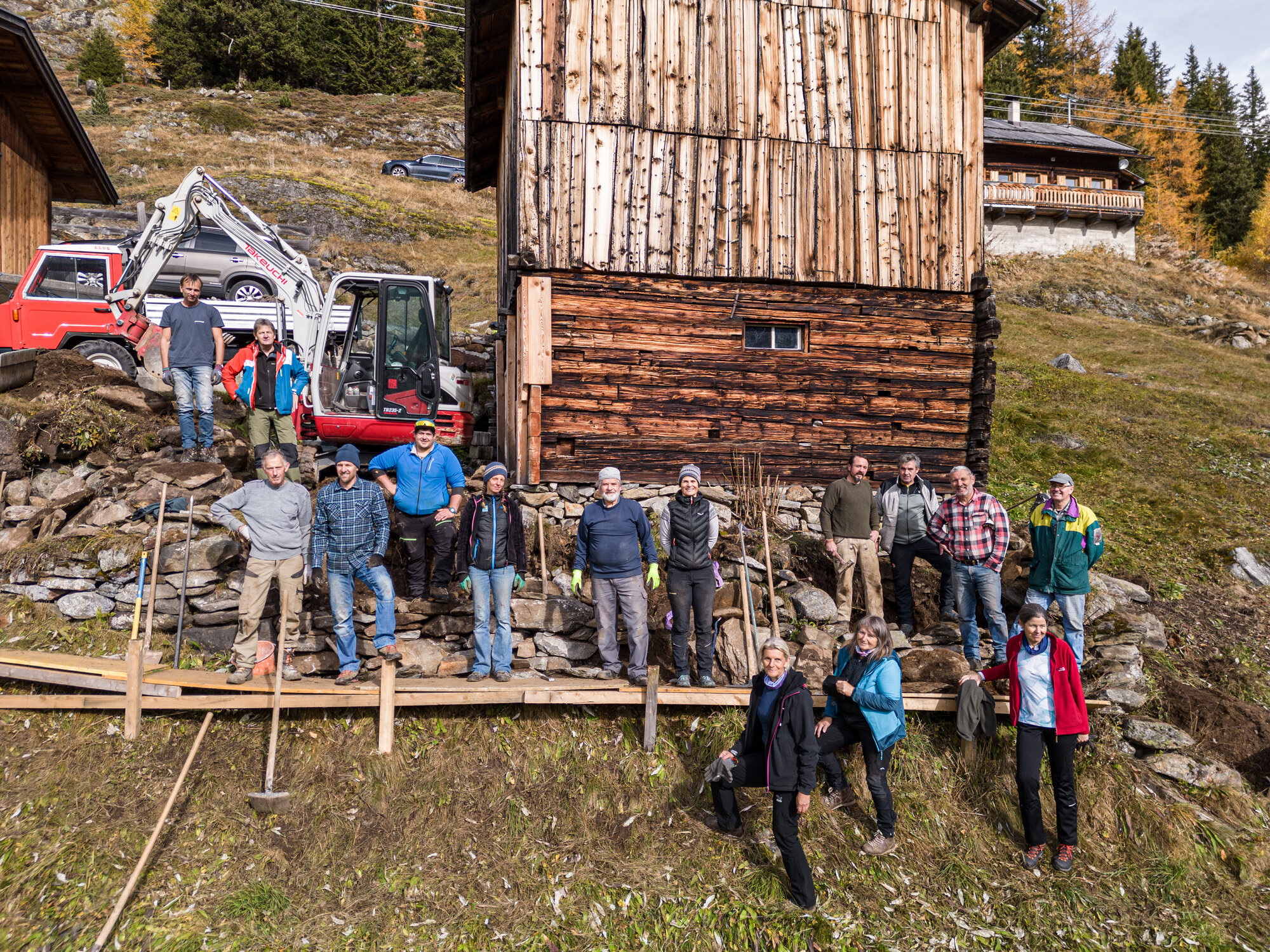
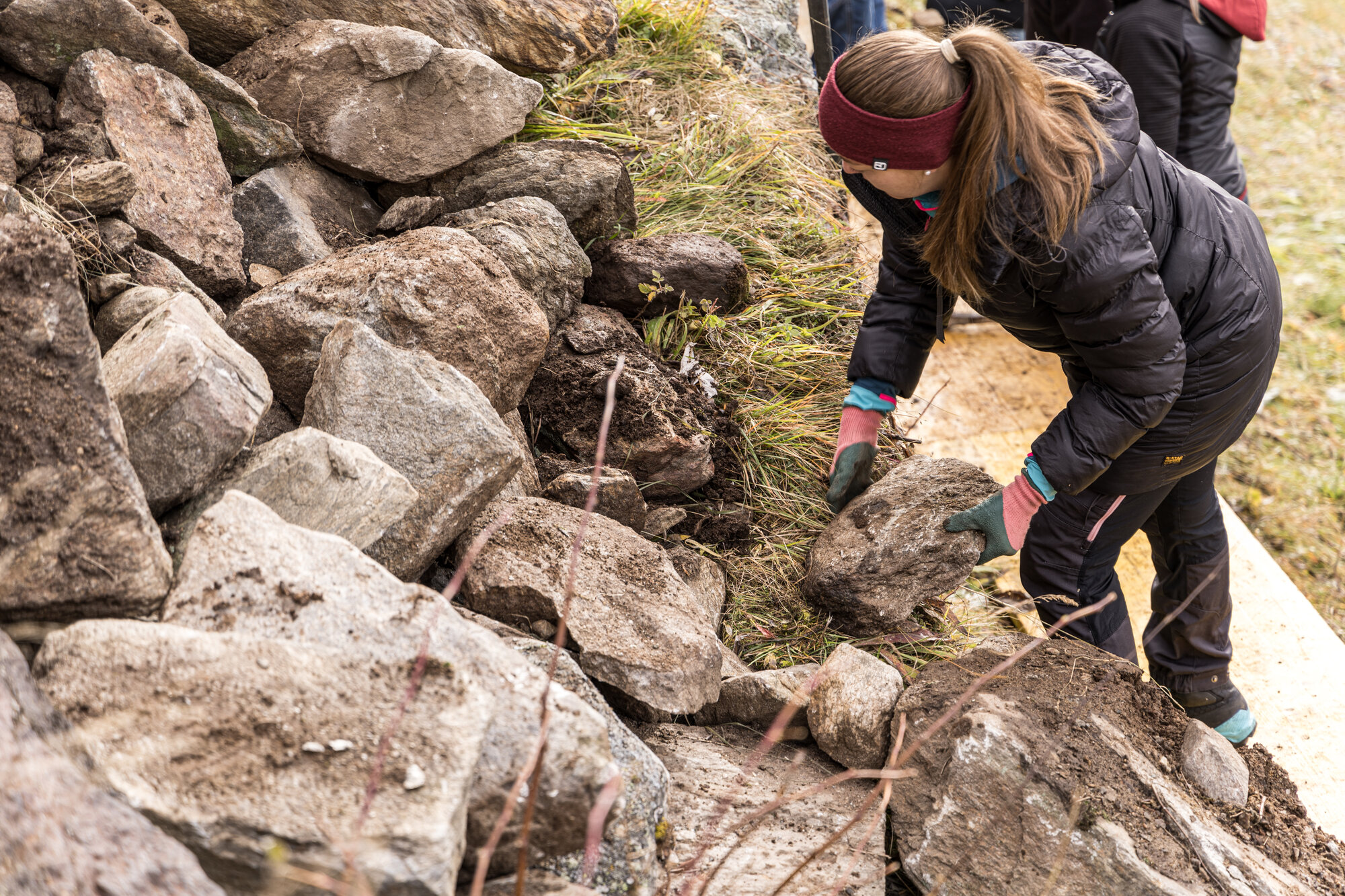
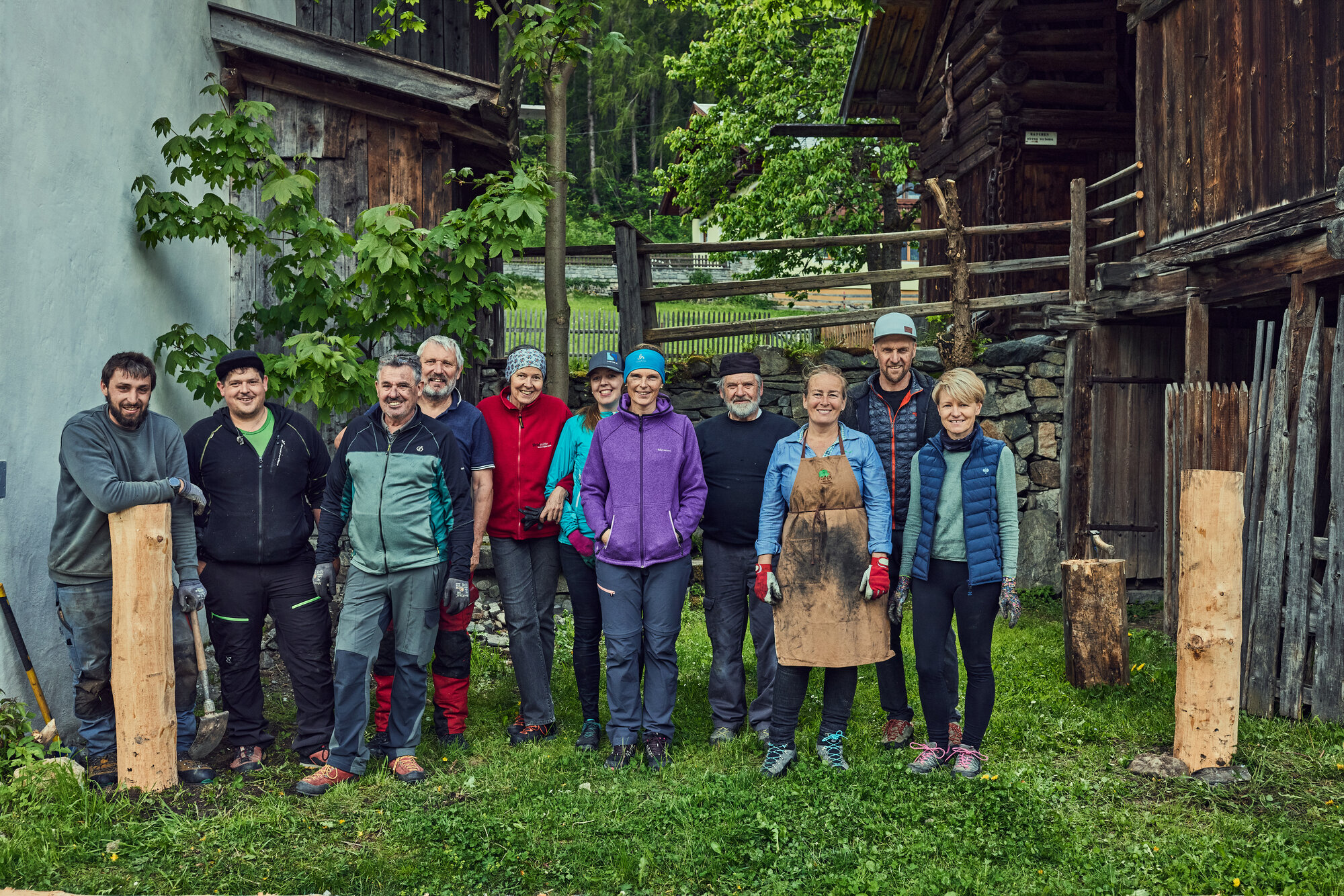
Thomas Schmarda: We have developed 5 modules in terms of content: "Nature in urban areas", "Fence techniques", "Haymaking", "Preserving old wooden buildings" and "Building dry stone walls". Each module has a theoretical and a practical part for a maximum of 15 participants. On the evening before each module, a selected expert provides technical input during the theoretical part. In the practical part, the content learned can be implemented directly on the site and the special techniques can be practiced in a practical manner. With this comprehensive know-how and practical skills, the participants act as important catalysts for a diverse cultural landscape in their own environment - as culture.land.ambassadors.
F.acT: What experiences have you had after the second year?
Edith Hessenberger: There is a great deal of interest in the courses on offer, both among the Ötztal population and in the wider catchment area. The combination of specialist lectures on the history of our cultural landscape and its importance as a habitat for humans, animals and plants, combined with manual activities is greatly appreciated by the participants. In the group, even strenuous work is seen as positive and fulfilling in the knowledge that they are doing something meaningful and adding value.
F.acT: Will the program continue next year and will there be any changes?
Thomas Schmarda: After the two courses in 2024+25, we will settle into a two-year rhythm in the coming years. There will be additional courses in the even years (2026): For example, the topics of haymaking, irrigation systems/wales are possible - but we don't want to reveal too much at the moment. In any case, the aim of this initiative is to preserve Ötztal's cultural landscape in all its diversity and to actively promote it through this course.