Prepared for what lies ahead in tourism
Stay up-to-date with current, independent statistics and information on tourism in the Alpine region.
 Inspiration

F.acT: What can customers expect from hollu if they want to ensure first-class cleanliness, health and well-being while meeting high standards of sustainability and minimizing their ecological footprint?

Simon Meinschad: hollu stands for hygiene that goes far beyond the product. We offer a well thought-out overall solution - based on 120 years of experience. Our concepts and products combine efficiency with responsibility, be it through biodegradable ingredients, resource-saving dosing systems or recycled packaging. Personal advice for our customers is very important to us. We take a close look at hotel operations and show them individually how their ecological footprint can be reduced, for example through training or digital tools. The aim is to inspire guests and reduce the impact on the environment at the same time.
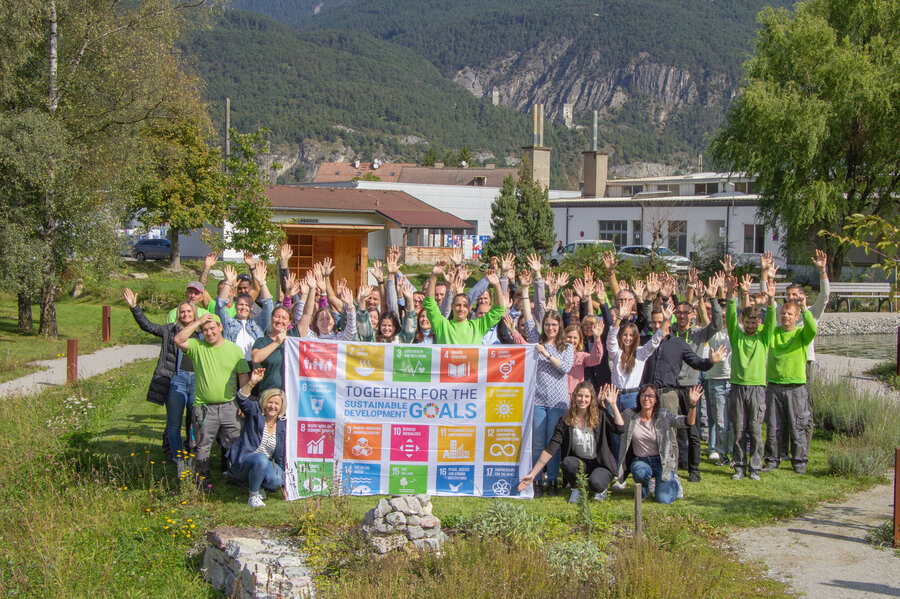
F.acT: What specific measures is hollu taking - ecologically, socially and economically - to contribute to achieving the Sustainable Development Goals (SDGs)?
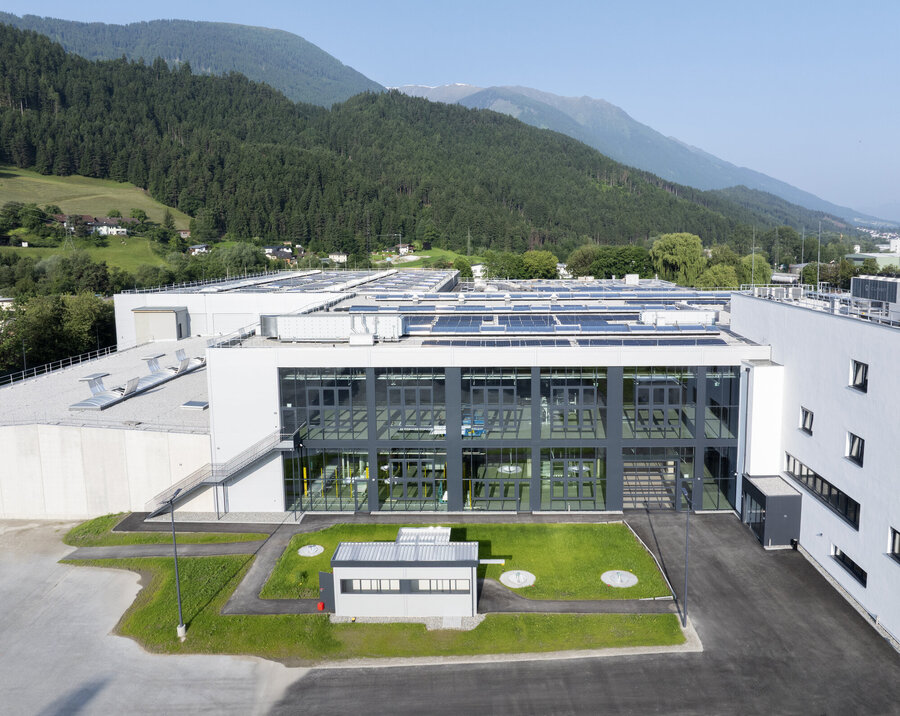
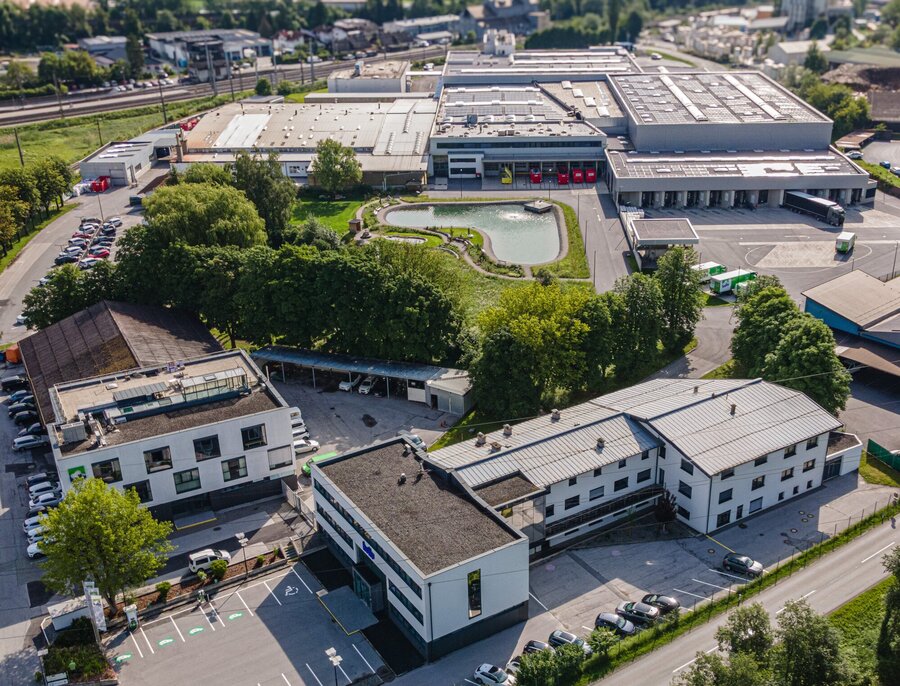
Simon Meinschad: We think and act in line with the United Nations' 17 Sustainable Development Goals (SDGs) on a day-to-day basis - they are firmly anchored in our corporate strategy. In environmental terms, we focus on sustainable products, promote a circular economy and use renewable energy. The new production building - opened in May 2025 - was also built completely sustainably. Thanks to heat pumps, intelligently controlled process heat, heating and buffer systems and the expansion of the photovoltaic system to an output of 781 kWh, production is completely CO2-neutral. Modern changing rooms, bright offices and lounge areas with a terrace, generous window fronts and lots of wood to improve the indoor climate are highlights for the employees. Socially, we ensure fair working conditions, a wide range of training opportunities and cooperation with social institutions. Economically, there is only one way forward for us and that is to reconcile economic success with people and the environment. We regularly review our progress on the basis of measurable targets and publish everything transparently. In this way, we ensure that our contribution to the SDGs is effective and comprehensible.
F.act: To what extent does the digital process management tool NOA support housekeeping in the hotel sector in improving both the quality and sustainability of cleaning processes?
Simon Meinschad: NOA makes housekeeping transparent and efficient. Just imagine: The entire daily schedule is mapped digitally, all responsibilities are defined, cleaning schedules including step-by-step instructions, photos and videos are stored, every step is documented and the data is available to everyone in real time. As a hotelier, you always have an overview of the status quo and can see, for example, exactly which rooms are already clean and which still need to be cleaned. More efficient workflows, more security, higher quality - NOA delivers all this and much more.
Fact: How do technological innovations such as smart cleaning robots and intelligent dosing technology help hotel businesses to save time and money on cleaning while ensuring high, sustainable standards?
Simon Meinschad: Digital technologies take a lot of pressure off teams. Let's take cleaning robots as an example - they take care of time-consuming routine tasks on large areas, giving staff more time for more demanding activities. Today's generation of robots work quietly, efficiently and energy-savingly, during the day or at night, while maintaining a consistently high cleaning quality. Intelligent dosing technology ensures that the right amount of cleaning agent is always used - completely contact-free to protect employees. Another benefit: the environment and your wallet are protected from overdosing. This is how we combine technical innovation with sustainable added value.
Fact: As a cleaning agent manufacturer, what challenges do you see in being able to continue to offer top quality "Made in Austria" for the highest hygiene standards in the future in view of the constantly growing sustainability efforts?
Simon Meinschad: The challenge is still to combine product performance with environmental compatibility. To achieve this, we invest in our own research and development and in modern production standards. Our focus is on developing sustainable formulas that are convincing in every respect: ecologically, legally and economically. It is also important to make the entire supply chain sustainable - from the procurement of raw materials to delivery. For us, 'Made in Austria' means responsibility: for quality, the environment and society. And, of course, we value dialog with our customers. With their input and feedback, they play a key role in our product development. Only together and in exchange with our customers can we actively shape the future of the cleaning industry.