

Prepared for what lies ahead in tourism
Stay up-to-date with current, independent statistics and information on tourism in the Alpine region.
 Research

F.acT: What is glamping?

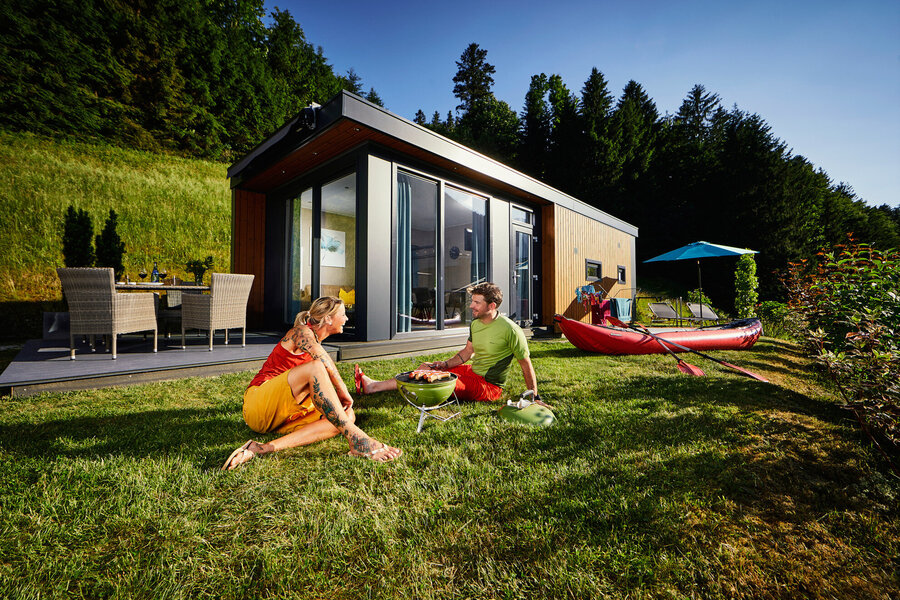
Christopher Brunner: Glamping is a portmanteau of "glamorous" and "camping" and describes a form of vacation that combines the nature experience of classic camping with the comfort and service of a hotel. Glamping accommodation ranges from luxurious safari tents and tree houses to tiny houses or mobile homes. The focus is on experiencing nature - but without sacrificing comfort.
F.acT: Why is this topic relevant for the Tyrolean tourism industry?
Christopher Brunner: Tyrol is the second-busiest federal state in Austria in terms of overnight stays at campsites. This strong starting position shows how important camping tourism already is for the state today - and at the same time underlines the potential of new forms of offers such as glamping. As a nature and activity destination, Tirol offers ideal conditions for innovative outdoor experiences. The glamping trend opens up great opportunities: it appeals to new, affluent target groups, extends the season and strengthens tourism value creation. For Tyrolean campsites, glamping is an opportunity to further develop the quality of their existing offerings and to position themselves clearly against the competition through comfort and design.
F.acT: What methodological approach did you use in your work?
Christopher Brunner: The empirical study was based on a quantitative online survey of camping and glamping vacationers in German-speaking countries. The aim was to record guests' perceptions, preferences and expectations. This made it possible to analyze which factors influence their decision for glamping accommodation and which requirements result from this for the design of the offer.
F.acT: What are the core results of your work and what significance do they have for tourist destinations and businesses?
Christopher Brunner: The results show that glamping is far more than just a niche product. Privacy, high-quality facilities, comfort and experiencing nature are particularly important to guests. Glamping is attracting new target groups - especially young, well-educated travelers with hotel experience and higher incomes who want to combine quality and experience. Campsites must therefore increasingly be thought of as resort-like facilities that combine service quality, culinary delights and leisure activities with a nature experience.
F.acT: What specific recommendations for action do you make in your Master's thesis?
Christopher Brunner: Campsites should develop their products and services in a targeted manner and offer guests a coherent overall experience. A balanced mix of accommodation that meets different needs, as well as sufficient privacy and comfort, are particularly important. At the same time, the infrastructure should be supplemented with well thought-out service and leisure offerings to make the stay varied. It is crucial that all areas - from the accommodation and service to the atmosphere on site - are coordinated. In this way, glamping can contribute to a long-term increase in quality and positioning among the competition.