
Prepared for what lies ahead in tourism
Stay up-to-date with current, independent statistics and information on tourism in the Alpine region.
 Inspiration

F.acT: How did the idea for RoboBistro14 come about, and what problem does it solve?

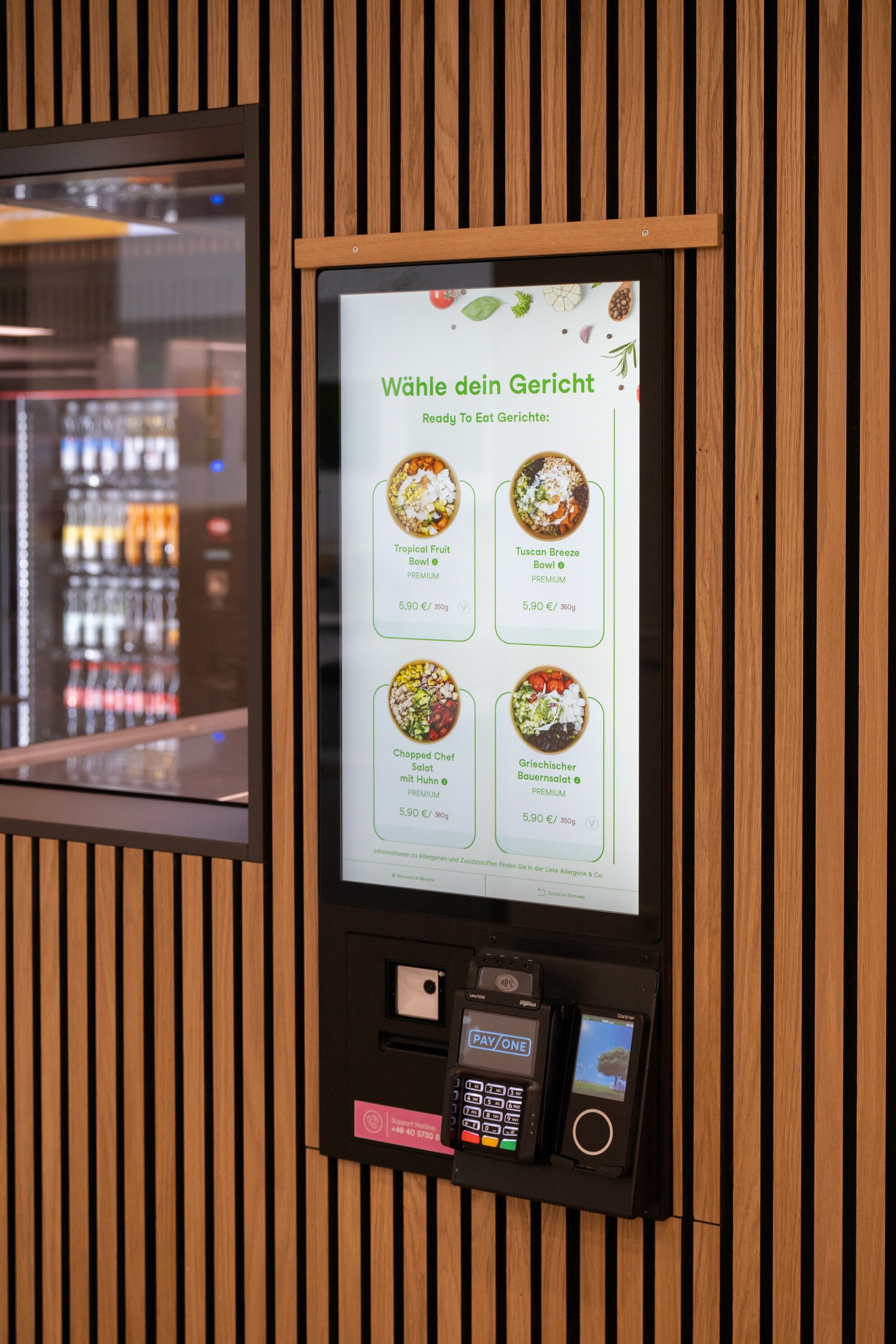
Wolfgang Markl: After five years, the previous tenant has ceased operating the café in this building. It simply wasn’t possible to run this operation (including staff) profitably, since employees, visitors, and patients all make purchases at very different times. This is simply because a hospital operates 24/7 with a wide variety of shift schedules and needs. To meet the demand for a service that’s available around the clock, we came up with the idea of expanding our existing selection of vending machines—both in terms of quality and quantity—and consolidating them at a single, central location. As a result, we now offer four different options there:
F.acT: How efficient is the restaurant robot? What can it do, and what are its limitations or challenges?
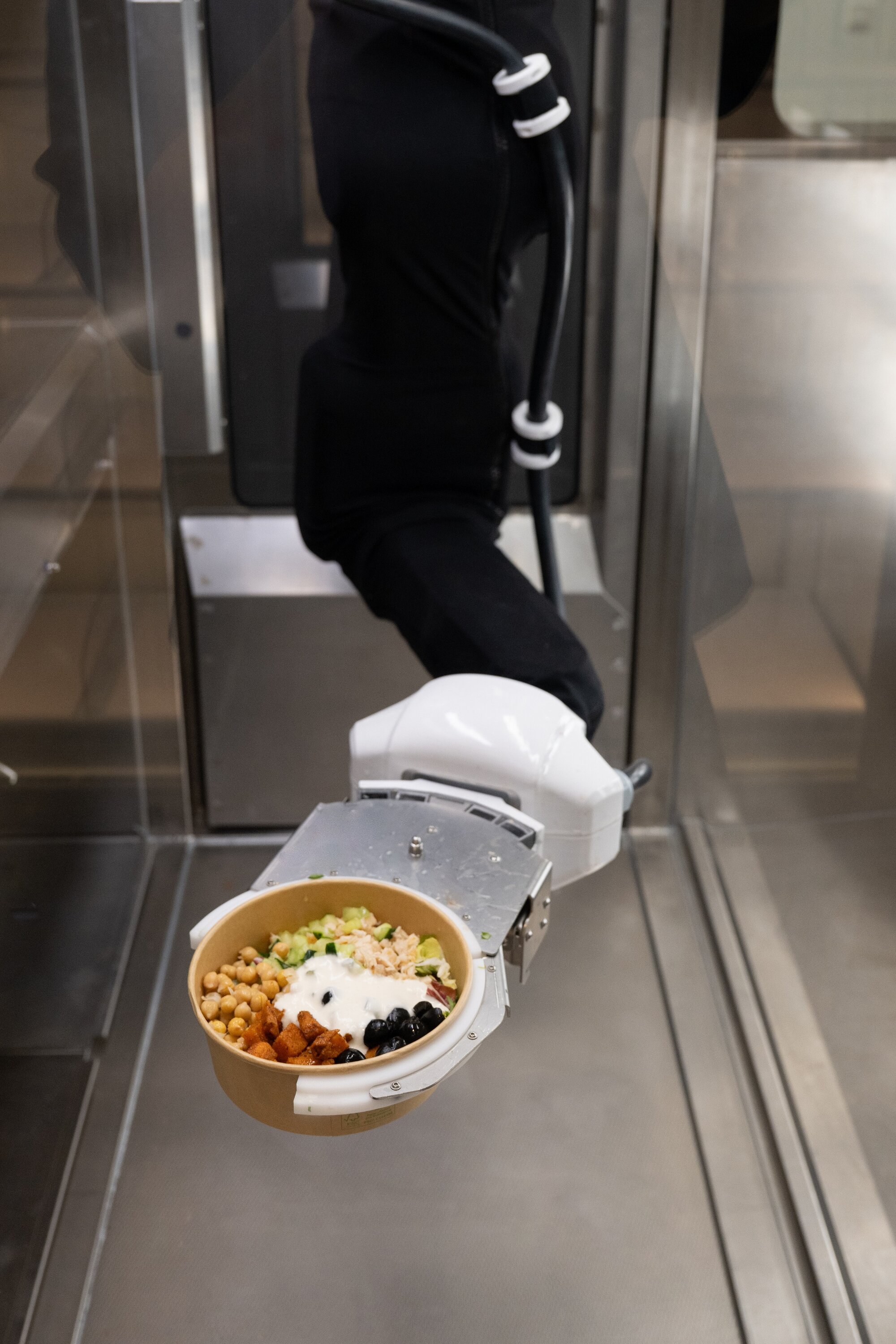
Wolfgang Markl: This robot offers 18 refrigerated fresh ingredients that stay fresh for several days and are served in the form of bowls (including cold dishes that can then be heated in the microwave). It’s easy to use, and payment is cashless. It’s available around the clock, though in rare cases, technical issues may occur. That’s why we offer a wide variety of options—not just a vending machine solution—so customers always have a choice. We also continue to operate a publicly accessible café with table service on the hospital grounds, as well as the staff dining hall.
F.acT: What is your general view of the future of robots in the restaurant industry?
Wolfgang Markl: The use of robots will certainly increase—both for simple tasks in the service area and directly in the kitchen and in dishwashing and cleaning areas. What I believe will (hopefully) remain are qualified chefs and staff in direct contact with customers to engage in conversation and provide personalized advice and service. I can’t imagine upscale dining or a high-end bar area without people.