Prepared for what lies ahead in tourism
Stay up-to-date with current, independent statistics and information on tourism in the Alpine region.
 Research
Adriana Wacker wins the Science Prize of the Tyrolean Chamber of Commerce 2020 with her Master's thesis - congratulations!

TTR: To what extent is your topic relevant for the Tyrolean tourism industry? What role does social media play for the image of Tyrolean destinations?

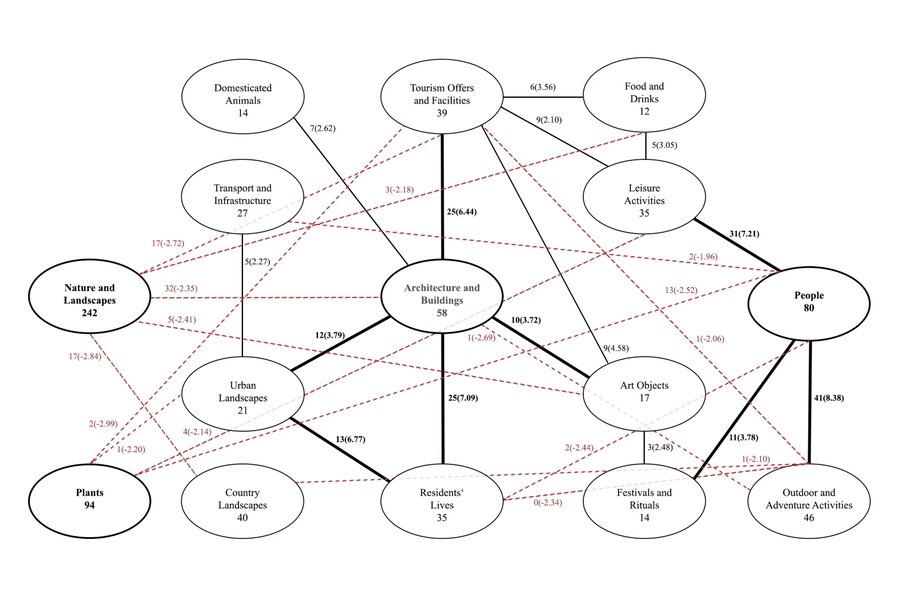
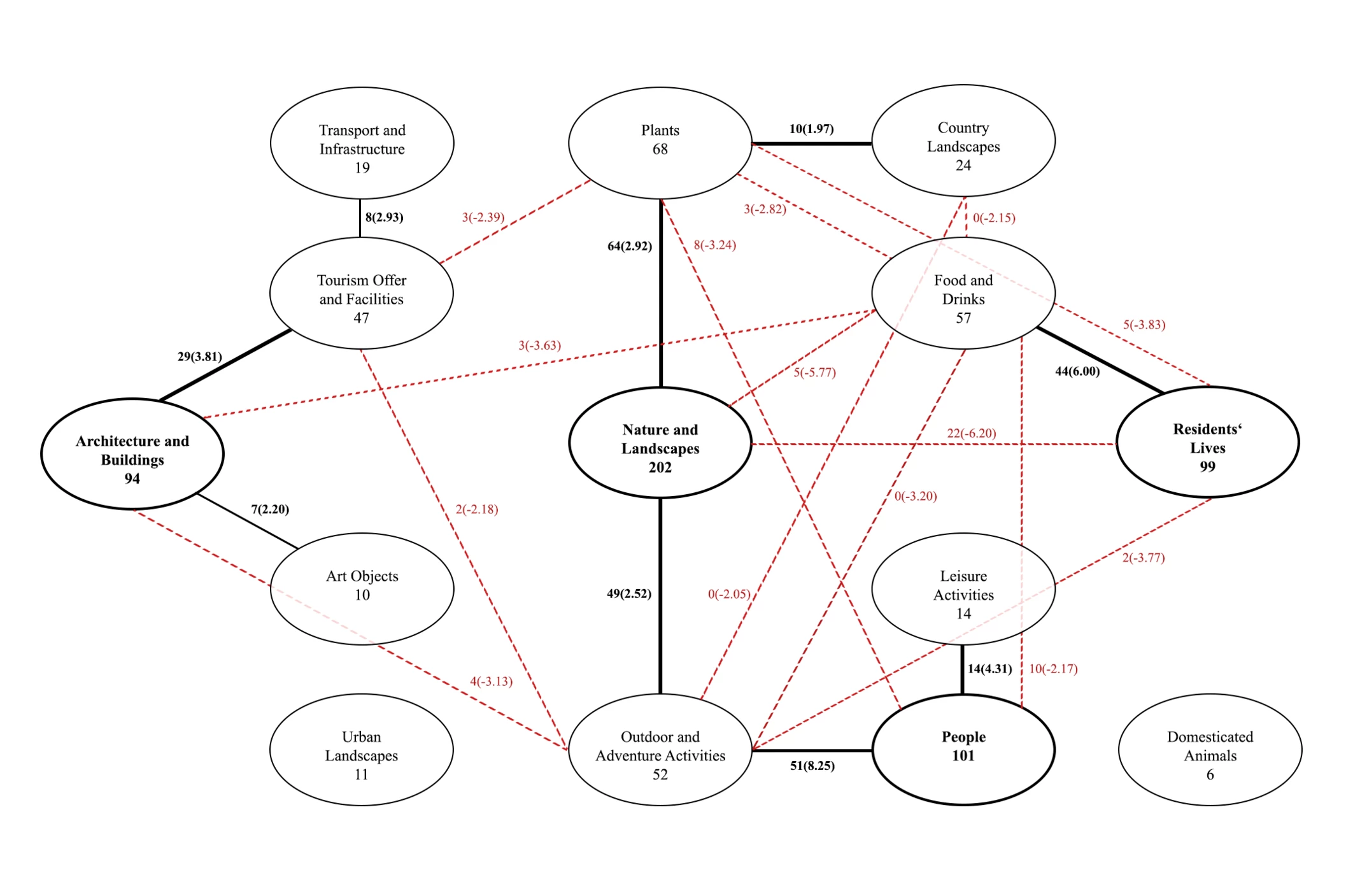
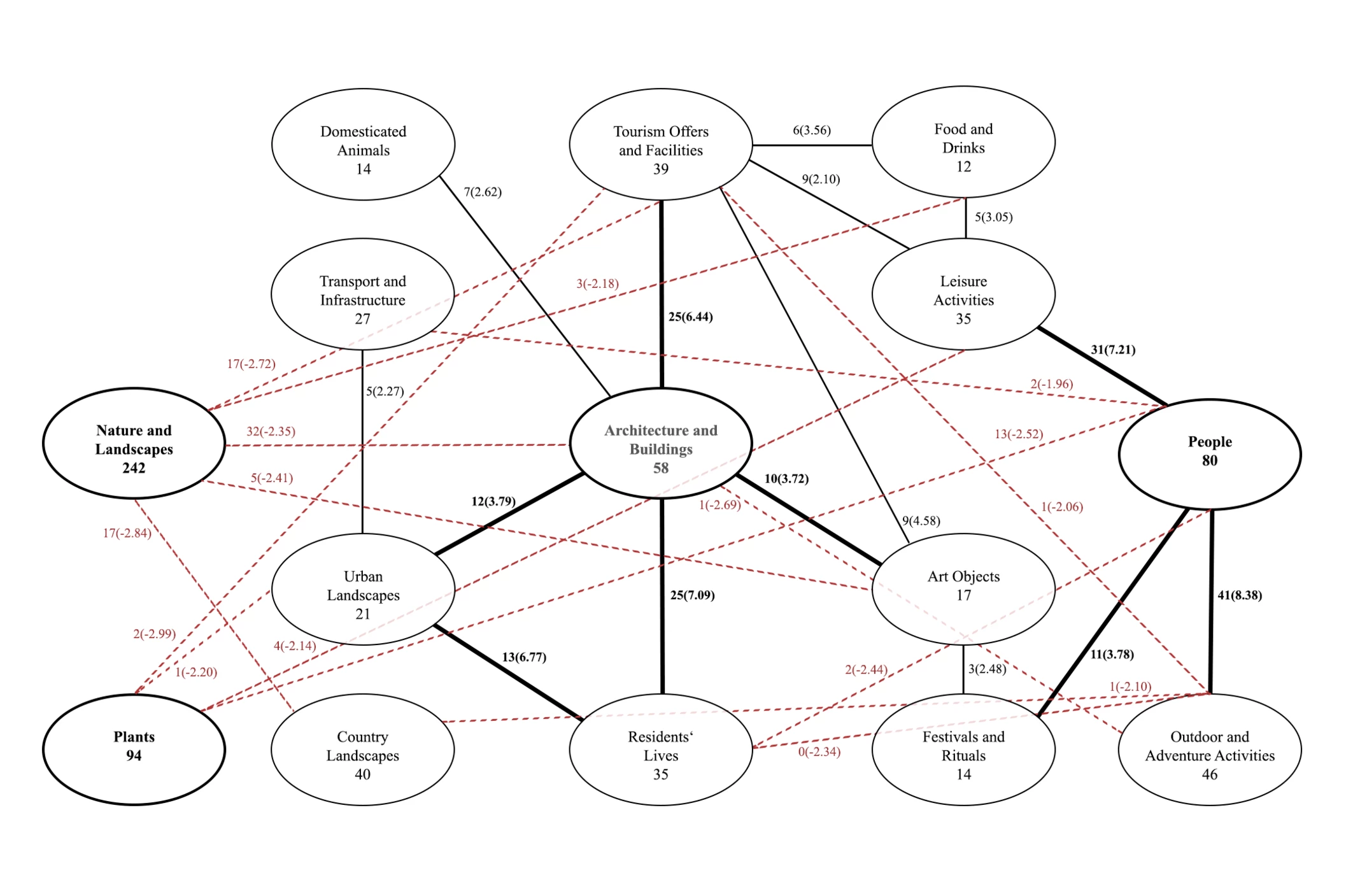
Adriana Wacker: With around 55,000 employees and a value added of 4.5 billion euros directly and indirectly in the tourism and leisure industry, this sector is of great importance for the entire Tyrolean economy. The decision of tourists to choose a certain region for their vacation depends very much on the destination image of the respective location. Especially in social media, however, this image cannot be determined solely by tourism marketing organizations, but is dependent on many other factors. Tourists generate their own content, which they share with the world through social media, which can weaken both the communication strategy of tourism marketing and the uniform image of the location. In order to enable a congruent destination image between the sent and perceived image contributions, a coordination of the visual communication attributes must take place. My work identifies existing attributes and their composition in Instagram posts with a comparative content analysis. Attributes are defined as certain motifs that are the focus of the image. Instagram posts by Tirol Werbung, as the destination image sent out, and posts by tourists at the location, as the perceived destination image, are analyzed and presented in destination image maps in order to create better comparability. The results of my master's thesis thus help to sharpen the communication skills of tourism marketing organizations in order to achieve a better match with the expectations and own impressions of tourists.
I think that COVID-19 and all the associated travel warnings have made us realize again how important tourism is for our economy. Especially in uncertain times, we have to try to be even more precise and, above all, more aware in social media in order to stay in the minds of potential tourists and mitigate the impact of negative headlines. The topic of destination image in connection with social media is therefore gaining more and more economic importance, which is why I think that my work is relevant for the Tyrolean tourism industry right now.
TTR: What are the core results of your work and what significance do they have for tourist destinations?
Adriana Wacker: Using comparative content analysis together with chi-square tests and co-occurrence analyses, I compare images published on Instagram as a social media platform in my master's thesis. Statistical differences in the sent and perceived destination image are examined in 18 predefined categories, such as (1) nature and landscapes, (2) people and (3) historical sights. Visual posts by Tirol Werbung and posts by tourists marked with a specific hashtag on Instagram were taken into account. The visual material of the tourists is abbreviated as UGC in the English-language work, which comes from the term "user-generated content". An Instagram downloader tool was used for this purpose, which collected image material over the course of a year.
The results of the sent and perceived Tyrolean destination image were presented in aggregated destination image maps. The actual and expected frequency values of attributes as well as the respective z-value were used. The master thesis identifies nature, people, plants, architectural buildings and the life of the inhabitants as the five predominant attributes of the Tyrolean destination image. In terms of differences, the main findings show that tourists are more interested in photographing nature and landscapes, vegetation, leisure activities and pets than in the lives of locals and their traditions such as food and clothing. Nevertheless, similarities can be found in images of outdoor sports, other leisure activities and architecture.
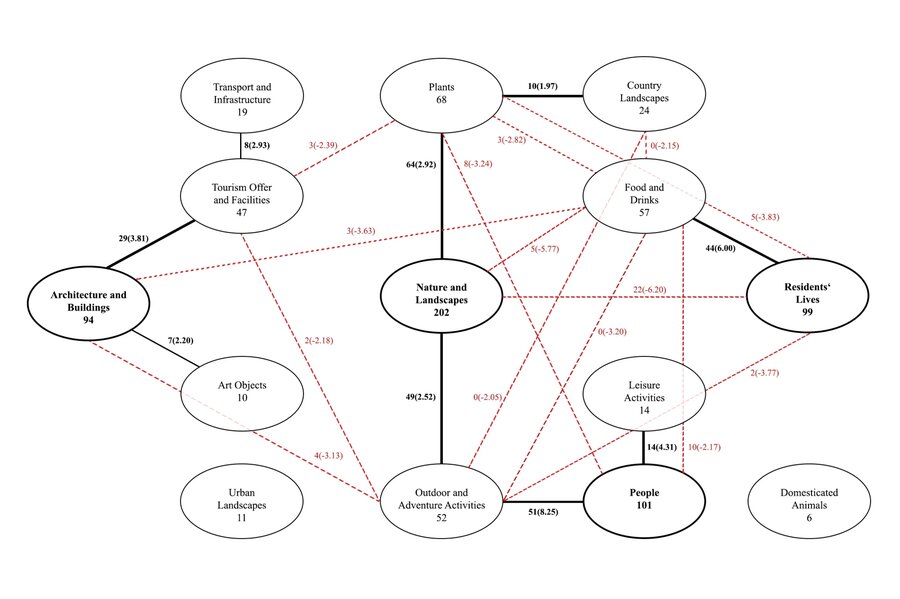
In more detail, the results show that tourists prefer to publish images with a focus on nature and landscape, while completely avoiding other categories such as people or architecture. The destination marketing organization, on the other hand, combines these images with other categories such as plants or outdoor sports. It could be argued that the depiction of people in the Tirol Tourist Board's photos is intended to trigger a thought process among potential tourists, but the results are not very conclusive on this point.
The impressive motif of a lake surrounded by mountains (example: cover photo "Seebensee") was depicted in both samples, although this is more pronounced among tourists. This can be explained by the development process of the destination image. The image of a destination formed by tourists is highly dependent on the advertising activities already perceived. Psychological motivational factors also play an important role. Tourists want to prove to others that they have been to a well-known place and recreate advertising images. Some pictures are even taken from the same angles in order to imitate established advertising photos as closely as possible.
TTR: What specific recommendations for action do you make in your Master's thesis?

Adriana Wacker: To summarize, it can be said that Tirol Werbung projects a strategically well thought-out destination image of Tirol. It shows beautiful landscapes as well as Tyrolean architecture, outdoor sports, traditional food and impressive characters in their natural habitat. But there is also great potential for improvement in matching the perceptions of tourists. Therefore, the recommendation for central location marketing organizations is that they should incorporate the perspective of tourists to a greater extent. In particular, the strong interest in images focusing solely on the unique Tyrolean landscape should be taken into account in the strategy in order to achieve better results.
Further results and recommendations can be found directly in the physical copy of the master's thesis at MCI. (Language: English)