

Prepared for what lies ahead in tourism
Stay up-to-date with current, independent statistics and information on tourism in the Alpine region.
 Research

F.acT: Why is this topic relevant for the Tyrolean tourism industry?

Franziska Thurner: Nowadays, when supply has long since outstripped demand, it is no longer enough to advertise products or services with features or functionalities alone. Other factors such as emotions have a significant influence on consumer behavior and therefore play an important role in contemporary marketing practices. Emotions are also very important for the tourism industry, as they have a significant influence on purchasing decisions. Social media platforms also serve as an important source of inspiration for upcoming trips. Emotions are particularly crucial in thepre-tripphase, as they strongly influence the choice of vacation destination. So far, research has mainly focused on emotions during and after the trip; the crucial pre-trip phase has been largely neglected. This is precisely why this topic was taken up and further analyzed in the master's thesis.
F.acT: What are the core results of your work and what significance do they have for tourist destinations and businesses?
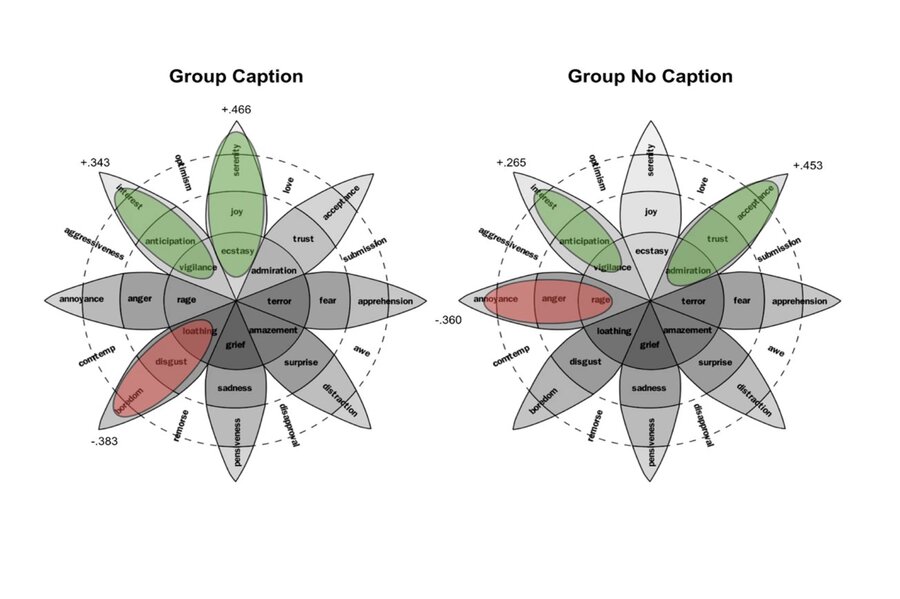
Franziska Thurner : The Psychoevolutionary Theory of Emotions by Robert Plutchik was used as a scientific framework. This theory assumes that there are only eight emotions that we humans can feel and that all other emotions are heightened, diminished or combined versions of these eight emotions. To find out to what extent social media influences travelers' emotions, their subsequent emotional attachment and intention to visit the destination, two independent test groups were observed via an online questionnaire to examine their emotional response to a nearly identical (with or without caption) social media post.
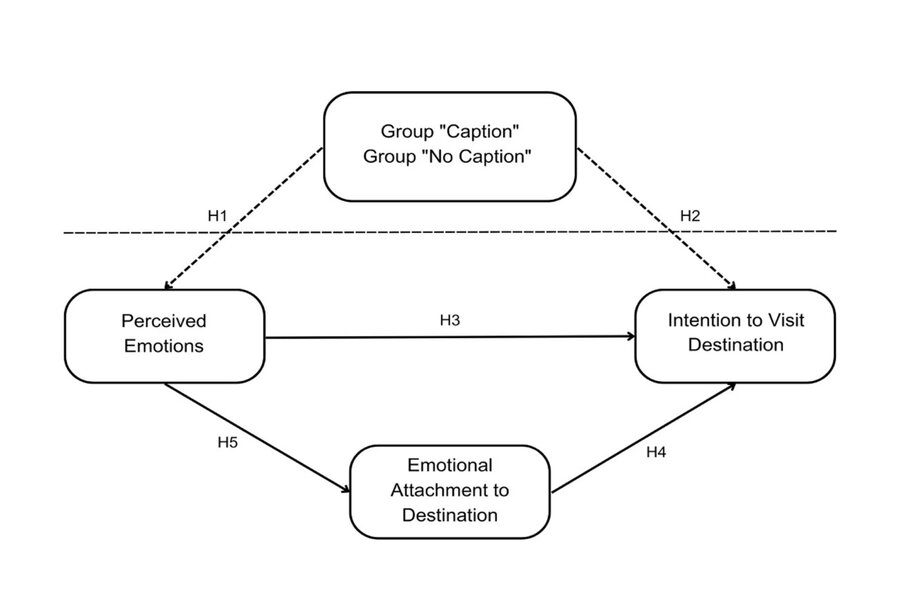
In this study, no direct effect of emotions on the intention to book was found. Nevertheless, the results show that the emotional connection to the destination is a decisive factor for a subsequent visit to the destination. The stronger the emotional connection to the destination, the more likely it is that a user will visit the destination.
F.acT: What specific recommendations for action do you make in your Master's thesis?
Franziska Thurner: The results of the study show that predominantly positive perceived emotions from the categories "joy", "trust" and "surprise" promote an emotional bond with the destination. Emotions from the categories "anger" or "disgust", on the other hand, should not be triggered as they have a negative impact on loyalty to the destination. Once travelers are emotionally connected, they are more likely to visit the destination. On the other hand, if they are directly urged to book by the advertising activity, these effects cannot be reproduced. This means that an indirect stimulus via the emotional connection to the destination is more effective and sustainable in terms of competitiveness compared to other destinations than a direct call to action.
Storytelling is a very effective tool to emotionally connect potential travelers to the destination by telling a story. Every time users experience something in connection with the story they have heard before, they will remember the narrated experience and feel the desire to relive the emotions they felt and experience them in real life.