

Prepared for what lies ahead in tourism
Stay up-to-date with current, independent statistics and information on tourism in the Alpine region.
 Inspiration

F.acT: How did the idea of installing your own electricity and thermal power station at the Stanglwirt come about?

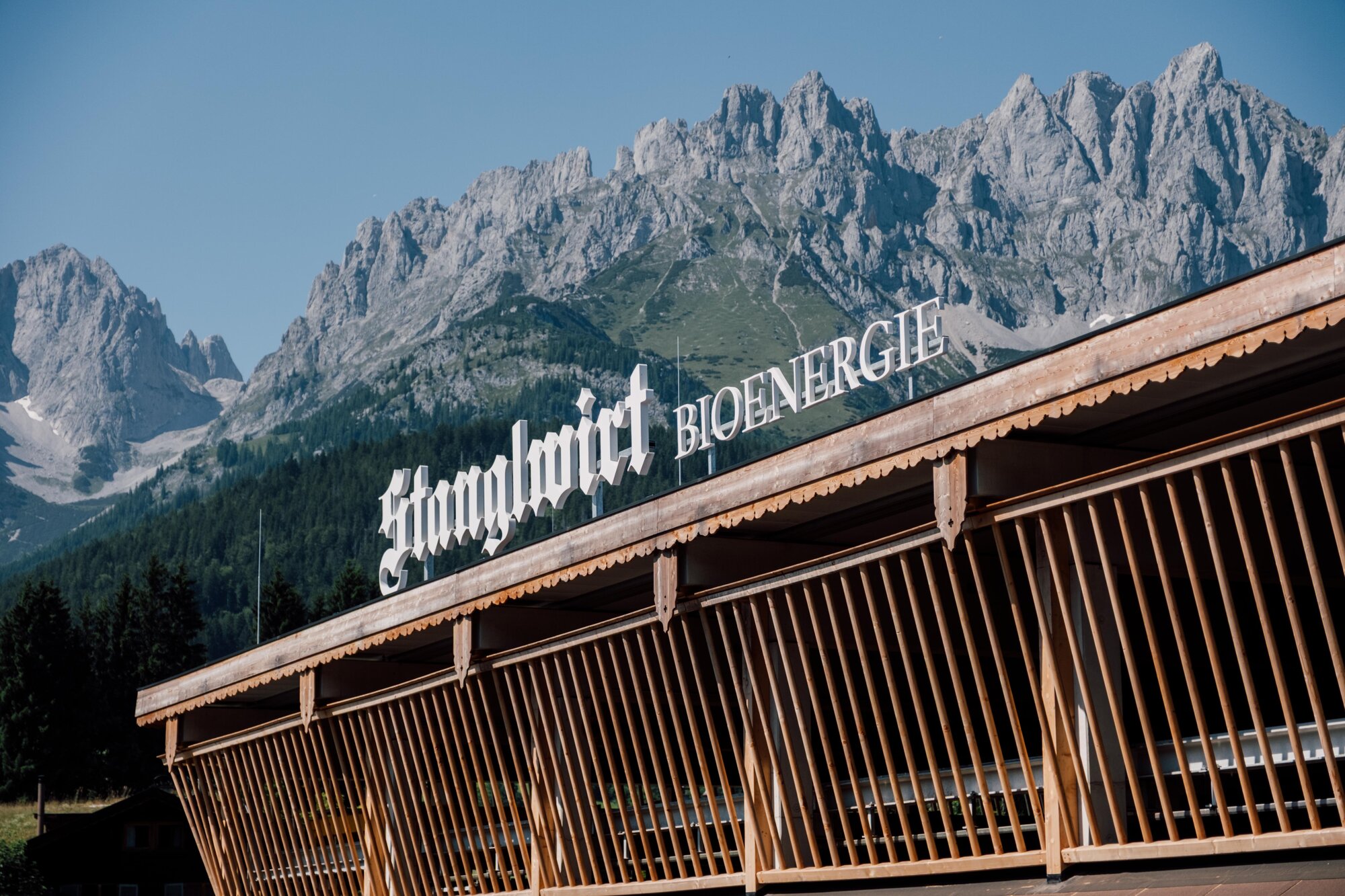
Johannes Hauser: The idea of building our own organic energy power plant at the Stanglwirt arose from our deep connection with nature and our self-image as a sustainable family business. For generations, we at the Stanglwirt have lived by the principle that luxury and environmental protection do not have to be opposites, but can complement each other. We have been generating some of our own energy for a long time, for example through our water circulation system. But we wanted to go one step further and create a solution that would cover our energy needs in a new and, above all, sustainable way - with regional raw materials.
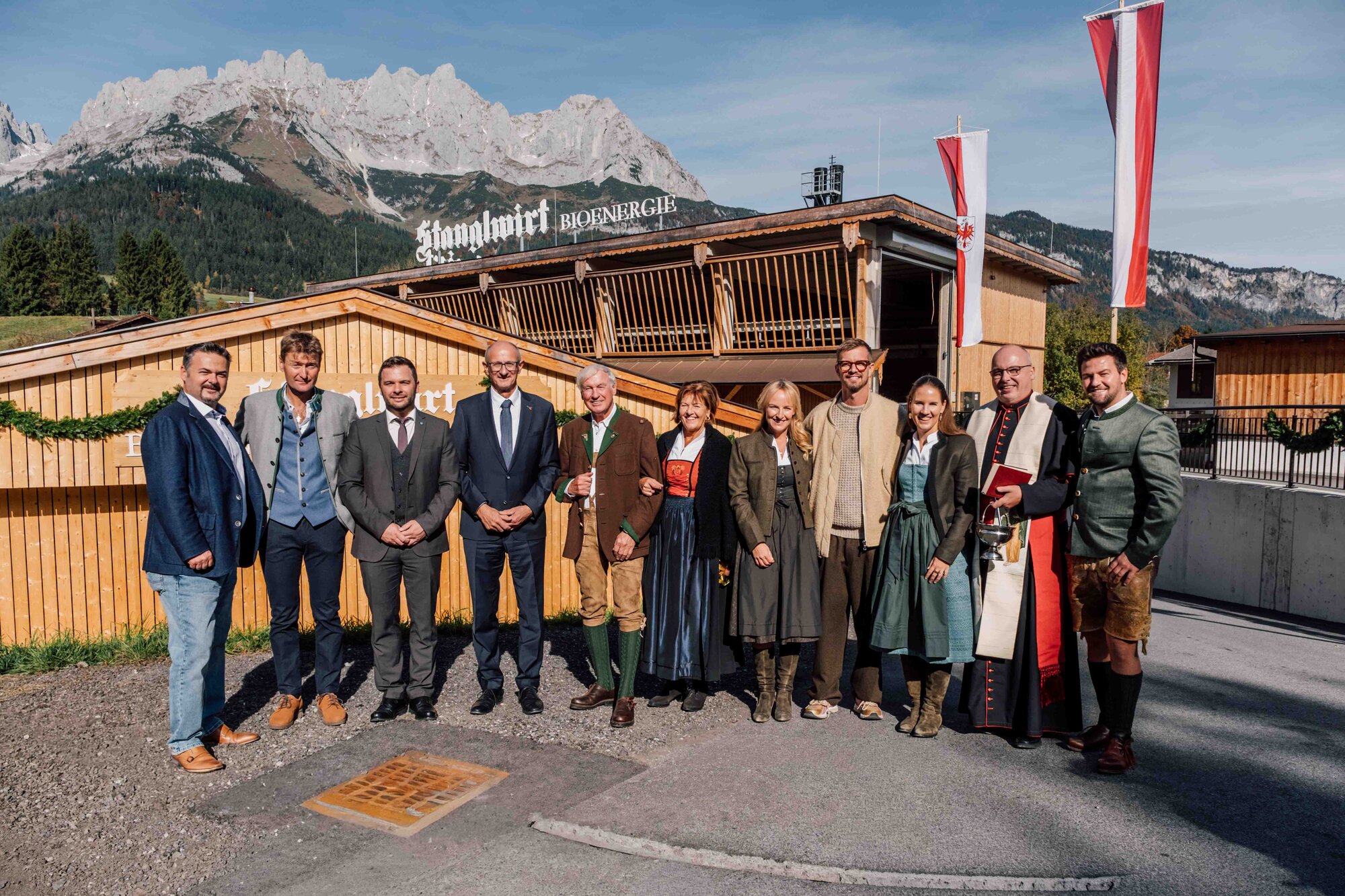
So, in close cooperation with our Tyrolean partners SynCraft and Innio Jenbacher, we developed the vision of an in-house power and heat plant. It was important to us that the plant was not only technically innovative, but also reflected our values: Sustainability, regionality and responsibility towards future generations. The idea was to create a system that shows how energy generation can work in harmony with nature - while the hotel is still in operation. The fact that we were the first hotel company in the world to implement such a system is a great honor for us and a significant step in our company history.
F.acT: What specific advantages does this system offer?
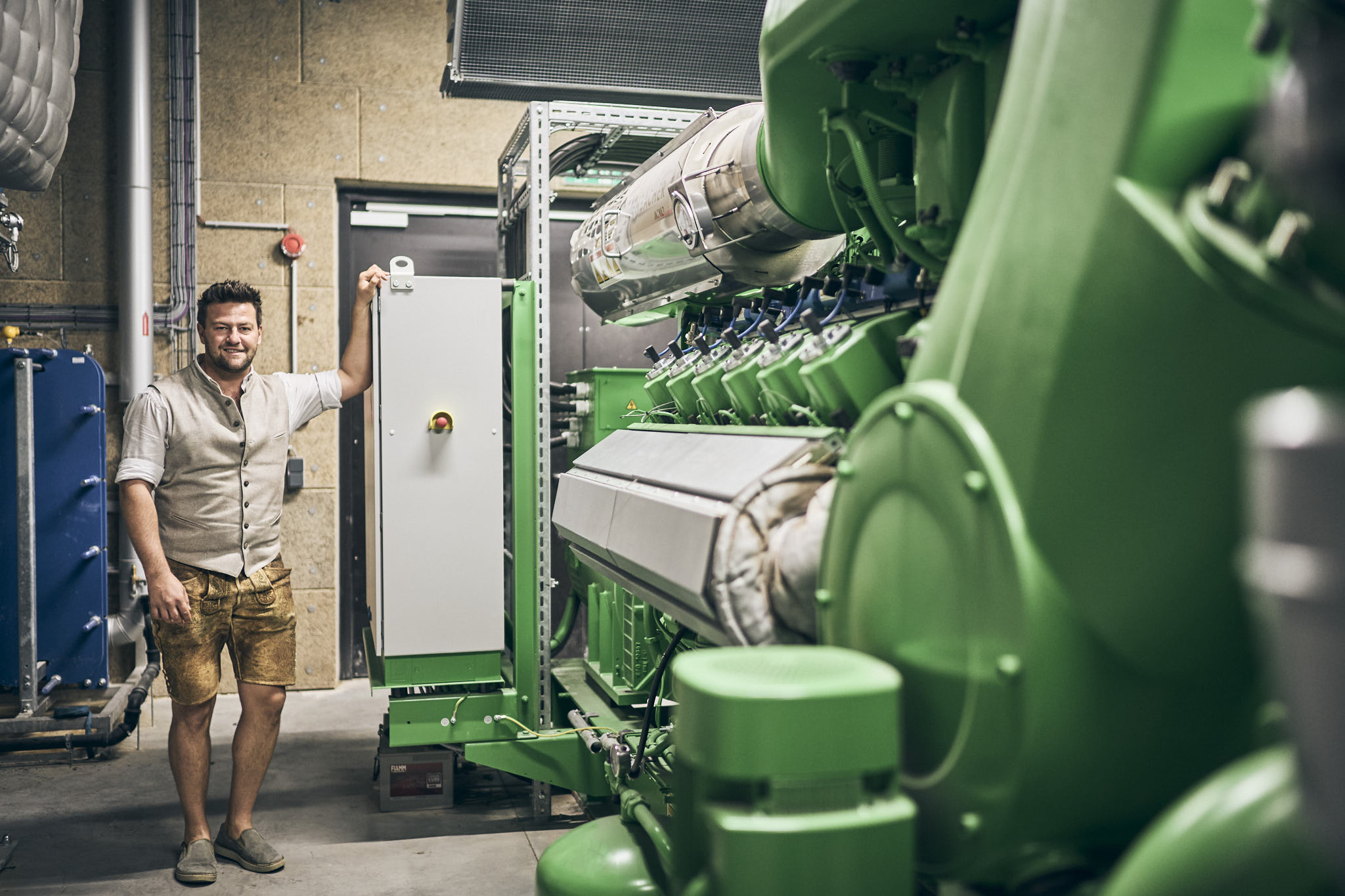
Johannes Hauser: Our BIO-Energy plant has several decisive advantages. Firstly, we use it to generate electricity and heat from natural, PEFC RED II-certified wood chips from the region. This is converted into wood gas in the SynCraft wood gasification plant and then used in the highly efficient Jenbacher gas engine to generate electricity and heat. With an electrical output of up to 550 kW, we cover a large part of our energy requirements directly on site.
A particular advantage lies in the so-called combined heat and power generation: the waste heat generated during electricity production is not wasted, but used directly in hotel operations and for fuel drying. This ensures maximum energy efficiency.
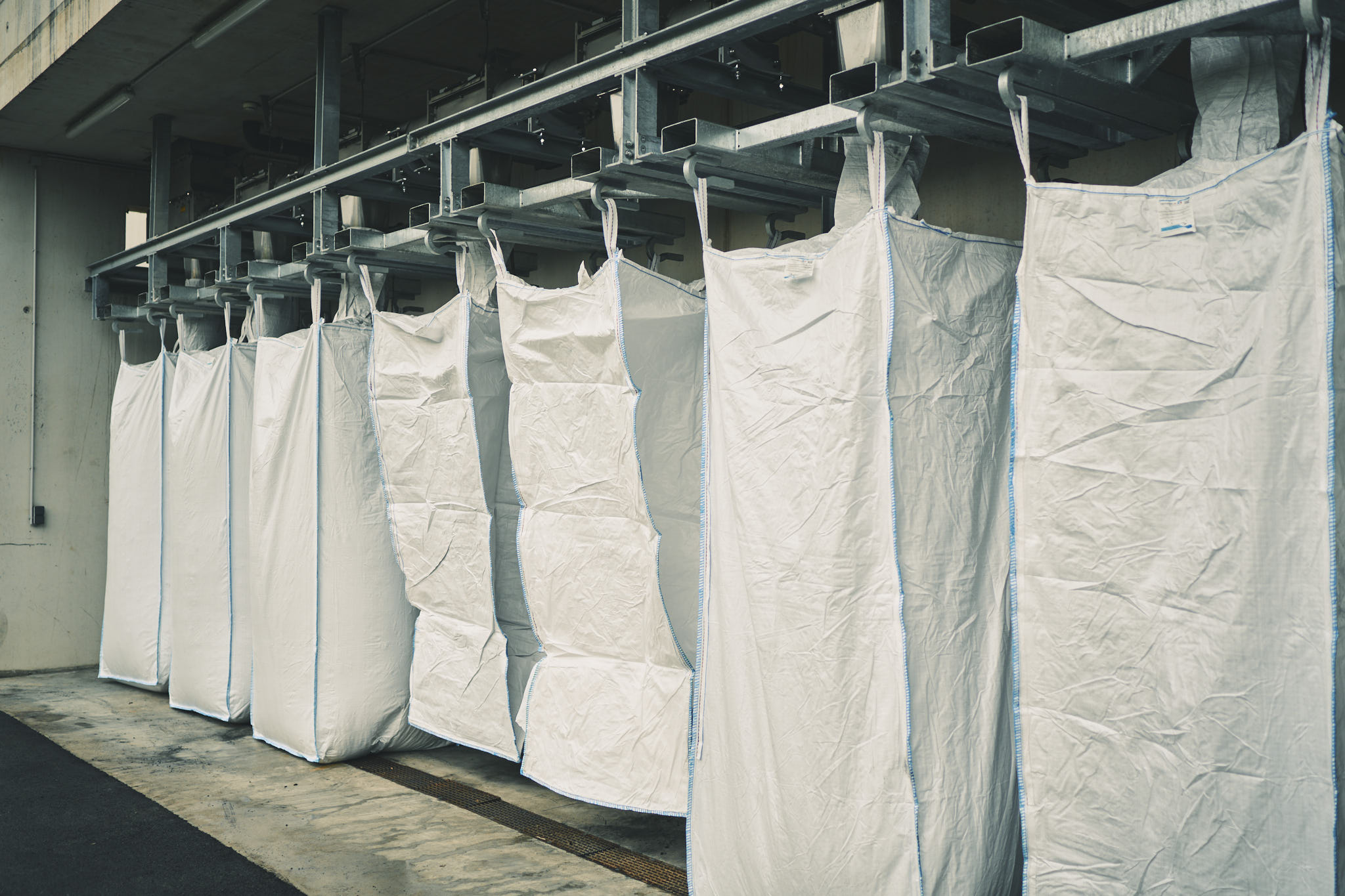
In addition, wood gas purification produces a valuable by-product - biochar. This can be used in agriculture as a soil conditioner and also makes an important contribution to climate protection, as it permanently stores around 20% of the CO₂ bound in the wood and therefore makes a positive contribution to the climate.
Another advantage is the regional added value: we source the wood chips exclusively from the surrounding area, with short transportation routes. This strengthens the regional economy and reduces emissions.
F.acT: What have been the biggest challenges so far in implementing this project?
Johannes Hauser: A project of this size naturally brings with it a number of challenges. One of the biggest was certainly the technical implementation during ongoing hotel operations. We had to find a solution that would ensure maximum efficiency and environmental friendliness, while at the same time being absolutely reliable and safe in day-to-day operation. Coordinating the various systems - from wood chip storage and wood gasification technology to energy distribution in the hotel - required a great deal of planning, precision and technical expertise.
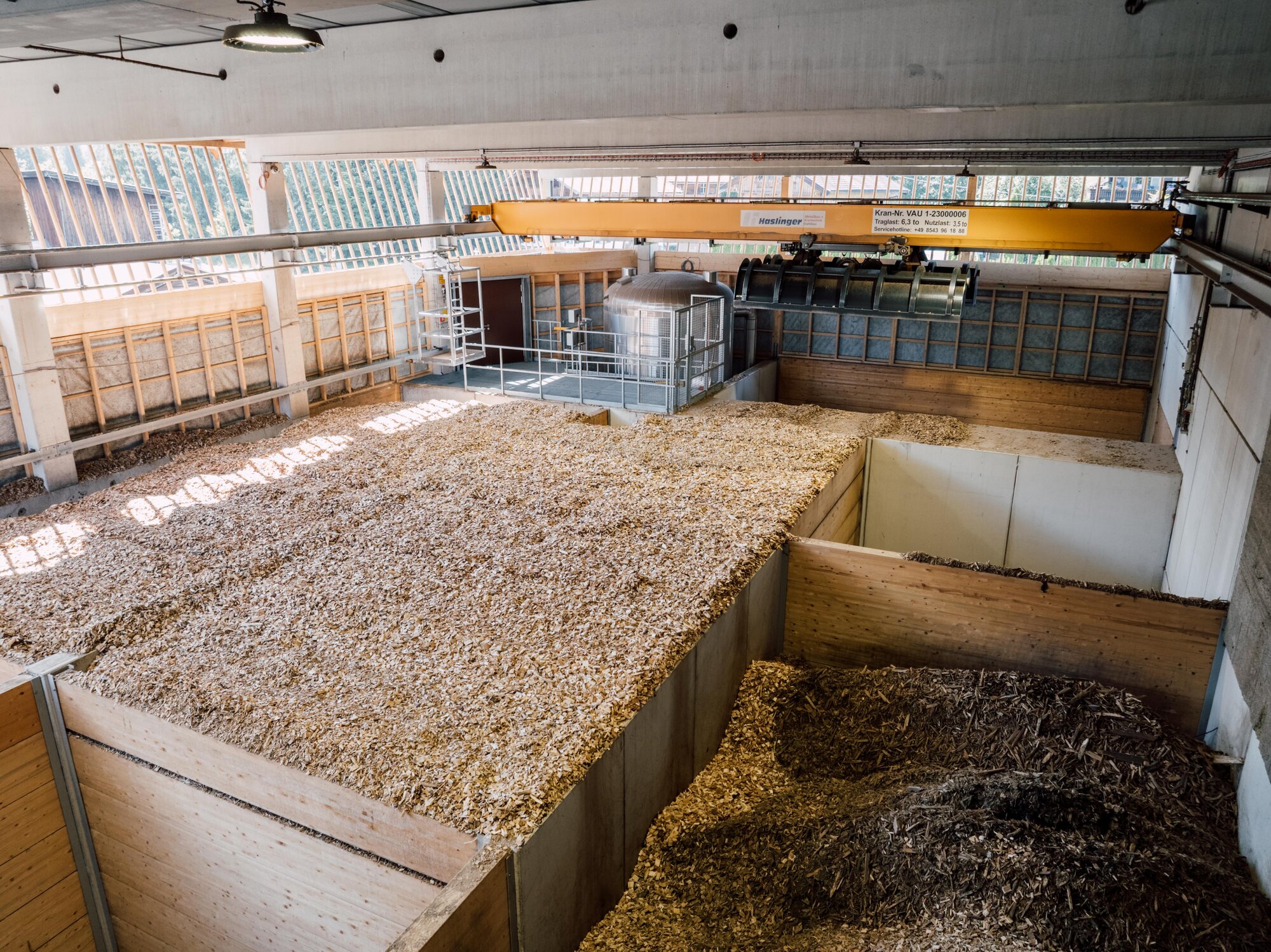
The construction of the modern wood chip storage hall with drying system and fully automatic crane operation was also a complex step in order to ensure the continuous and efficient supply of the system. We also had to comply with all construction and licensing requirements, which was new territory for such an innovative plant.
Last but not least, it was a challenge to find the right balance between ecological responsibility and economic viability. Sustainability must not be a luxury, but must work in the long term - both ecologically and economically.
Thanks to our strong Tyrolean partners SynCraft and Innio Jenbacher, but also with the support of our employees, we were able to overcome these hurdles. Today, we are proud to have realized a flagship project with Stanglwirt BIO-Energie, which shows how regional cooperation, innovation and environmental awareness can become a real success story.