

Prepared for what lies ahead in tourism
Stay up-to-date with current, independent statistics and information on tourism in the Alpine region.
 Research

F.acT: Why is this topic relevant for the Tyrolean tourism industry?

Antonia Glaser: Mountain railroads play a central role in Alpine tourism and secure jobs and added value in many regions of Tyrol. At the same time, they are particularly susceptible to crises due to technical, meteorological and safety-related factors. A single incident can have a massive impact not only on operations, but also on the trust of guests and the population. Professional crisis communication is therefore a decisive competitive factor: it helps to control information flows, prevent rumors and strengthen trust in the industry in the long term. Tyrolean tourism benefits from companies that are prepared and communicate strategically, transparently and credibly during crises.
F.acT: What methodological approach did you use in your work?
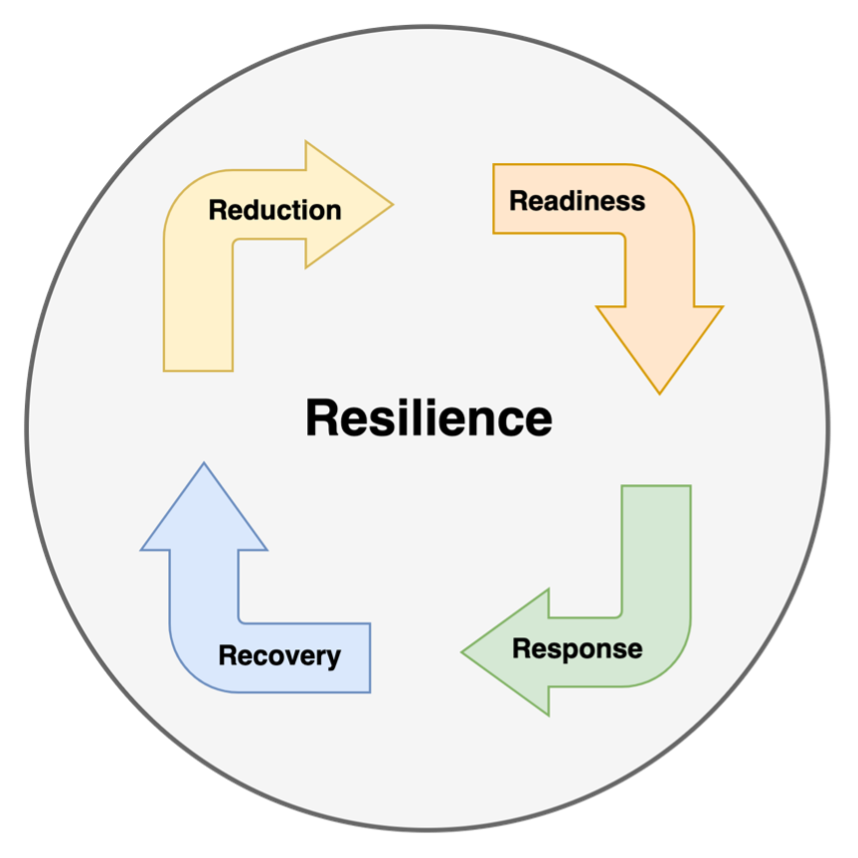
Antonia Glaser: The master's thesis is based on a qualitative case study on the gondola accident in Hochoetz in January 2024. Nine guided expert interviews were conducted for the empirical study. In addition, national and regional media reports and press releases were analyzed. The evaluation was carried out using qualitative content analysis according to Kuckartz, structured along the 4R model (Reduction, Readiness, Response, Recovery) according to Hahn & Neuss (2018). Based on the results, the model was expanded to include a fifth phase, Resilience, which describes the long-term handling of residual risks and the development of trust as part of the organizational culture.
F.acT: What are the core results of your work and what significance do they have for tourist destinations and businesses?
First name Last name: The analysis shows that Bergbahnen Hochoetz handled the crisis professionally thanks to clear responsibilities, a quick response time and coordinated communication with the media and authorities. The first press release was issued just 30 minutes after the incident, accompanied by a consistent one-voice policy and transparent information. Close coordination with the stakeholders was particularly relevant, which helped to maintain trust and ensure a positive public perception. For tourist destinations, this means that crisis communication does not just begin in an emergency, but must be an integral part of the corporate strategy.
F.acT: What specific recommendations for action do you make in your Master's thesis?
Antonia Glaser: The results of the case study were used to develop a practice-oriented 4+1R model comprising five levels of action:
This structured approach not only strengthens the crisis resilience of individual businesses, but also the credibility and resilience of entire tourism regions.