

Prepared for what lies ahead in tourism
Stay up-to-date with current, independent statistics and information on tourism in the Alpine region.
 Inspiration

F.acT: The hotel and inn "Der Stern" describes itself as a sustainable family hotel and inn and as the first climate-neutral hotel in the country. What does sustainability in the hotel and catering industry mean to you and how does the Stern put this into practice?

René Föger: The three pillars of sustainability - ecological, social and economic - should be taken into account equally in all operational decisions, because a host's corporate responsibility lies in every area: to the guest, to the employees, to the stakeholders and to our nature and environment. We are equally dependent on all areas and therefore we must take care of all of them equally. This statement applies in general and in particular to tourism and gastronomy, because the dependence on people and nature is even more central.
At Stern, we have had a consistent and transparent sustainability strategy in place since 2009 with stakeholder involvement, orientation towards the SDGs, compensation payments and ongoing audits and KPIs. Conversions in the energy sector (conversion to renewable energy sources, thermal building renovation, ...), in mobility (green travel, shuttle services, job bike, ...), in the F&B sector (own agriculture, promotion of vegetarian dishes, Butz&Stingl, ...) or in knowledge transfer (multiplier to guests, benchmark for the industry, sharing knowledge with media, institutions, ...) are particularly effective here, but are often not noticeable to a guest.
At the same time, we have tried to encourage sustainable enjoyment and vacations in a playful way right from the start. The climate game was developed for this purpose and sustainable behavior is rewarded with points. You get points if you leave your car or elevator at home, if you take your garbage with you on a hike, if you avoid cleaning, TV or cola or if you promote regional crafts/souvenirs (and much more). It can also be experienced through the architecture (eco indoor pool, solid wood furniture, ...), food (regional climate-conscious cuisine and recycling concept "Butz und Stingl, ...) and activities (mouth cleaners, larch bathing, ...).
F.acT: Regionality, seasonality and biodiversity are very important in the Wirtshaus. How do you manage to offer these in the restaurant all year round, in the right quality and at a reasonable price?
René Föger: In many areas, it's actually quite simple if you make a clear decision. For example, we only offer regional fish from the Stiftsweiher pond in Stams, regional Oberland ice cream or only drinks from Austria (no orange juice or Aperol) or we only use eggs from the regional supplier in Mieming. In this way, we offer our suppliers a reliably predictable purchase and we receive unique foods. We have developed step by step in this area, as it is also more expensive in terms of the cost of goods.
It is more difficult with processed fresh products such as meat, vegetables or fruit. Unfortunately, we cannot source 100% from small regional suppliers because it is structurally and seasonally impossible. We source as much as possible from regional farmers and producers and the rest from wholesalers, mostly from Austria. This only works with appropriate menu planning: for example, you will find more stewed, minced or offal dishes on our restaurant menu to make use of the whole "nose-to-tail", strawberries only in spring, mushrooms only in summer, game only in autumn or in the winter months we offer more cabbage, lentil and potato products - but not exclusively. This mix gives us an exciting range of quality products and, thanks to the "reduction", at a reasonable price.
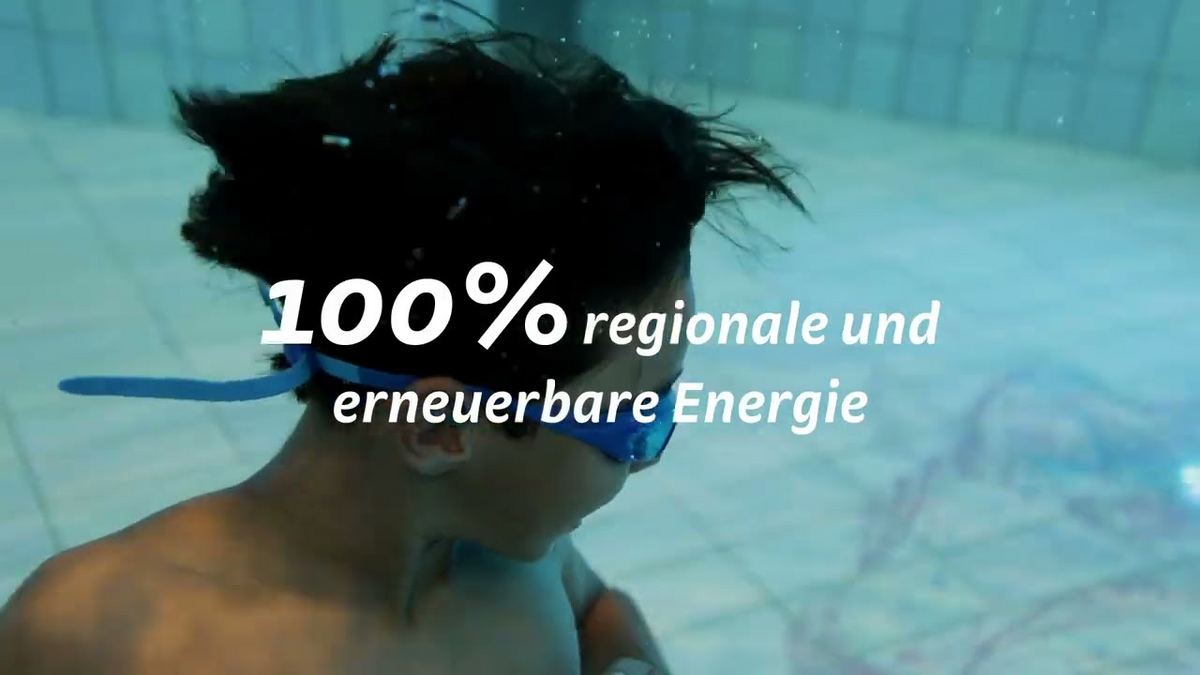
F.acT: With your Sterntaucher eco indoor pool, you have set a new standard in terms of an ecologically efficient but also socially sustainable swimming pool for locals. How did this come about and how well does this concept work?
René Föger: We at Stern have been considering the idea of an indoor pool for what feels like an eternity. But the incompatibility with the ecological impact and the price increase for guests outweighed the arguments. In 2017, we made the decision in favor of an indoor pool after all, because in addition to the great benefits for our guests, we can only offer our employees a year-round operation and better working and vacation times by improving our offer. The challenge now was to develop the indoor pool as ecologically and responsibly as possible.
The sustainability agenda provided the starting point for planning the eco indoor pool , numerous stakeholder dialogues were held (involving everything from student projects to a dialogue with locals), requirements (no additional space, energy, heat or water consumption or opening to the public), benchmarks and KPIs (e.g. square meters of diverse areas, energy consumption per visitor) were developed and then implemented in the best possible way. The eco indoor pool is a huge gain for the star. Hotel guests, locals and employees use it with enthusiasm, it has an impact on the public (PR, reports, awards such as the Tirol Change Award 2021), it strengthens business management, it strengthens the shoulder seasons, it extends the season (opening days from 300 to 322), it brings working time flexibility for employees, it raises awareness and inspires on the subject of sustainability.
It is a practical example of how an initially unsolvable problem of "economy vs. ecology" can be solved in a mutually beneficial way. And therefore symbolic of the challenges of the sustainable transformation of our economy and society. The investment may not have changed Stern's DNA, but it has fundamentally changed its business activities everywhere: Expectations, communication, organization, processes, professionalism. All operational adjustments had to be made - beyond 2023. At the end of the first year, we can see that most of the goals have been achieved, but that other goals still need to be fine-tuned.