Prepared for what lies ahead in tourism
Stay up-to-date with current, independent statistics and information on tourism in the Alpine region.
 Inspiration
Today, AI Is Your Team
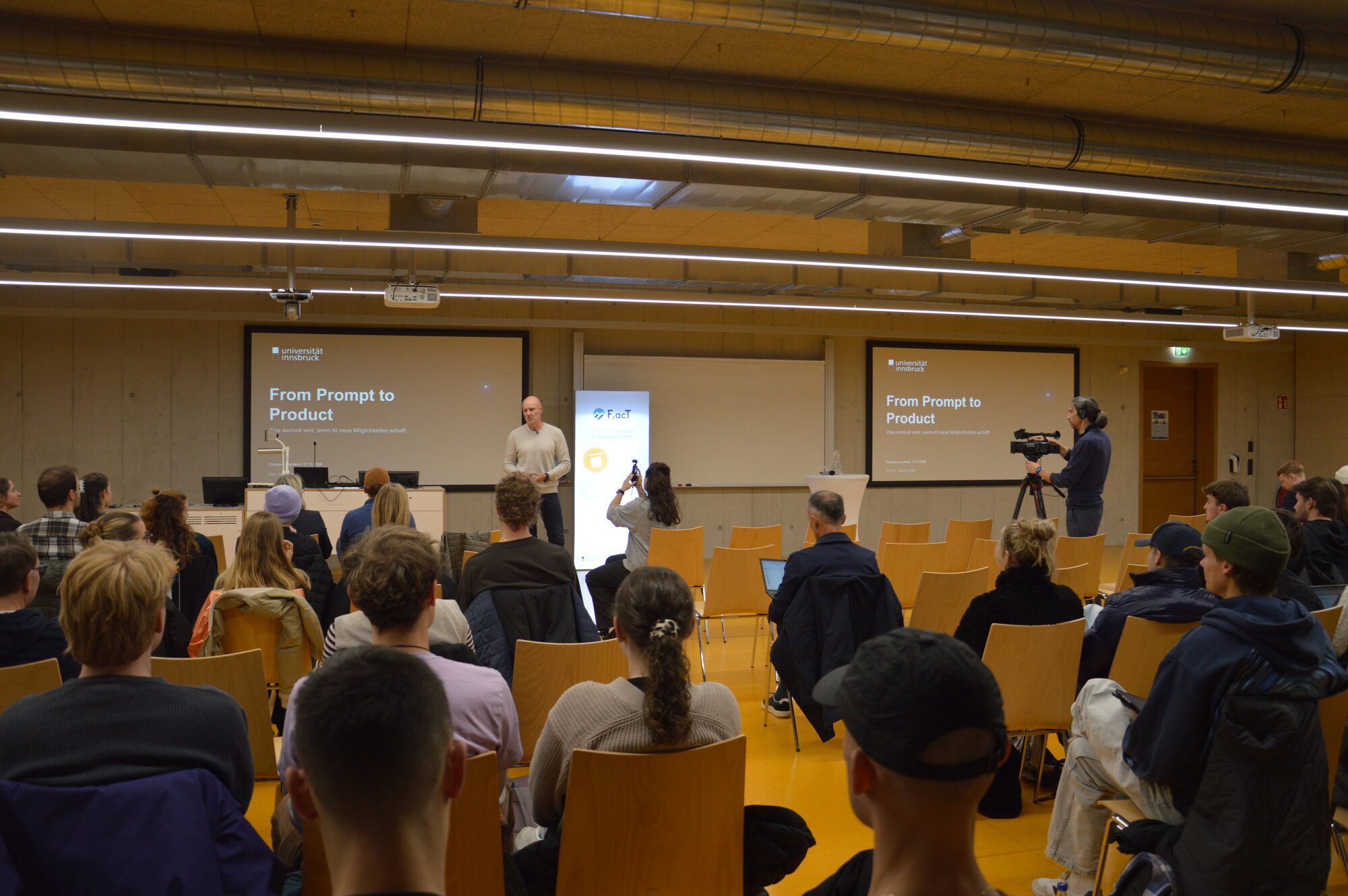
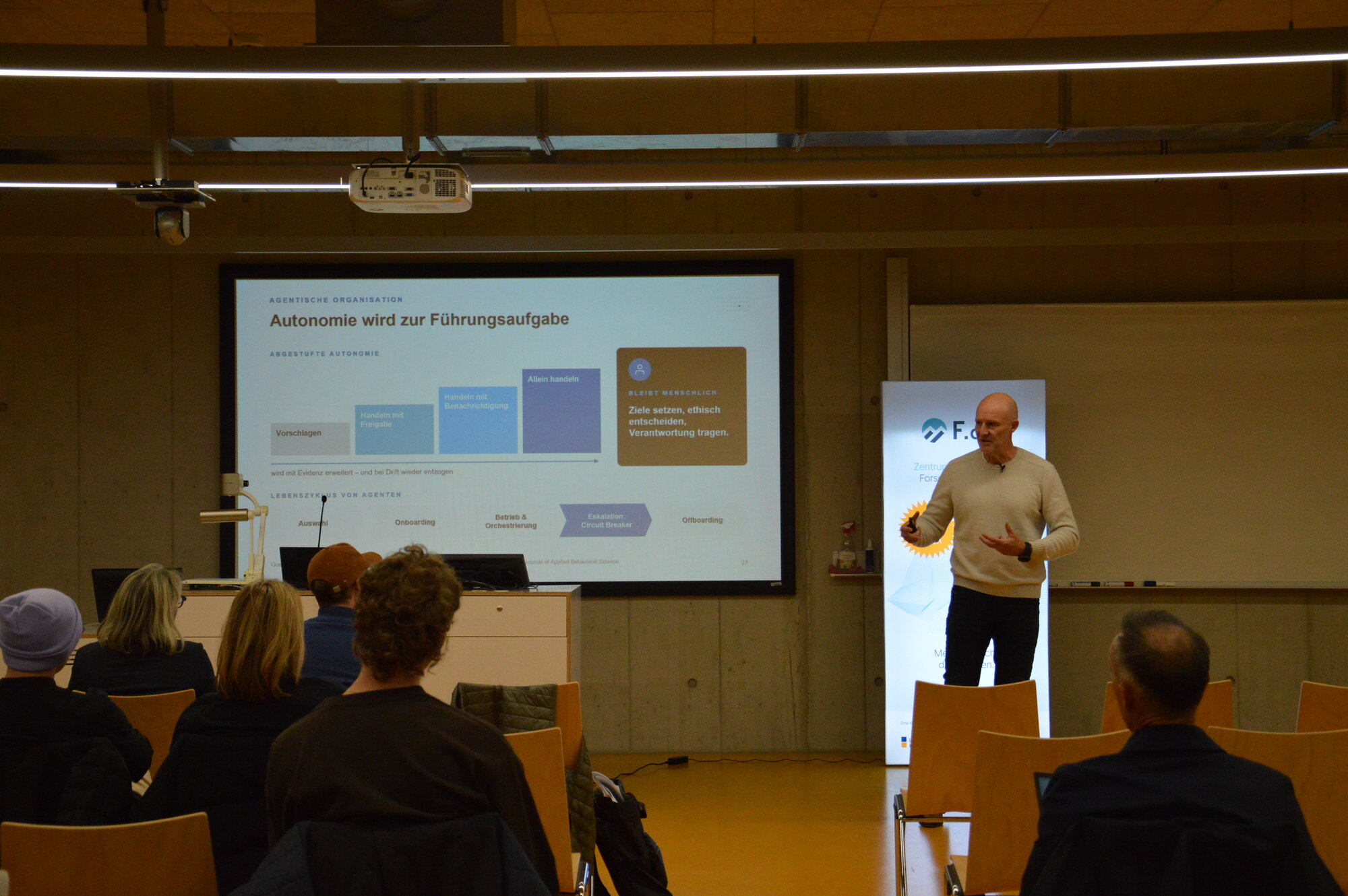
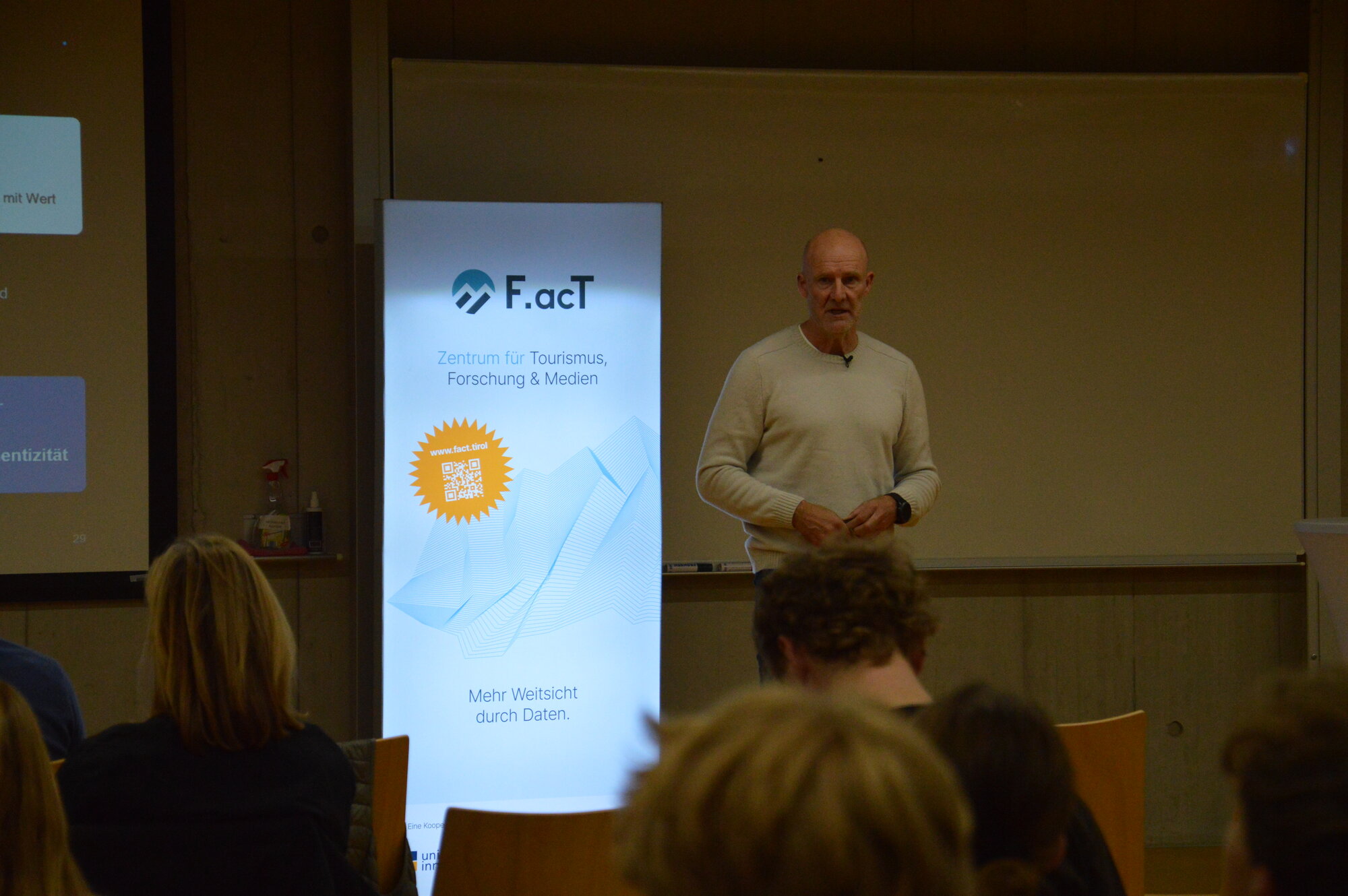
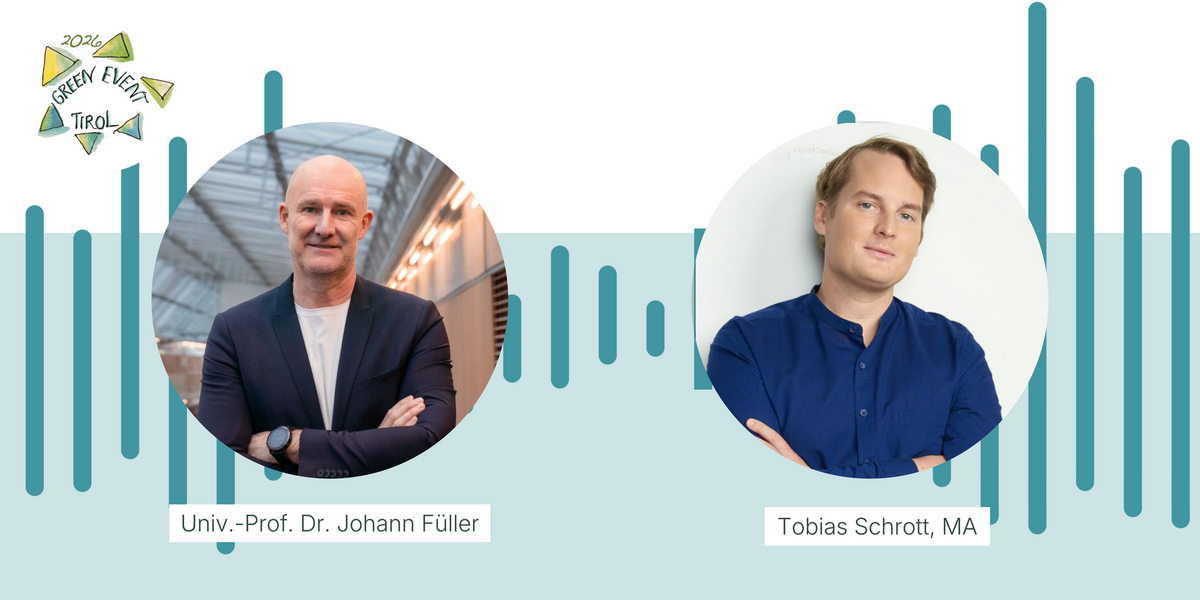
Univ.-Prof. Dr. Johann Füller, from theInstitute for Management and Marketing, Team Innovation and Entrepreneurship at the University of Innsbruck, spoke under the title “From Prompt to Product” about how AI agents are transforming traditional team structures: “In the past, you needed many experts to bring their knowledge together in one room. Today, AI is your team. It allows you to generate products in just a few minutes or hours based on a massive knowledge database. The crucial question is: How do we want to use AI? Is it just an agent that takes on tasks independently, or an employee who gets work done, generates ideas, and even develops entire solutions? This decision determines what role AI plays in our innovation team.”
Of course, working with artificial intelligence also raises questions: Since it keeps getting better over time, we must be prepared to share our knowledge—even at the risk that it will soon be smarter than we are. But: “If you don’t get on board, you won’t learn along with it. It always depends on how well you engage with AI,” Füller concluded.
Artificial Intelligence and Its Significance for Tourism
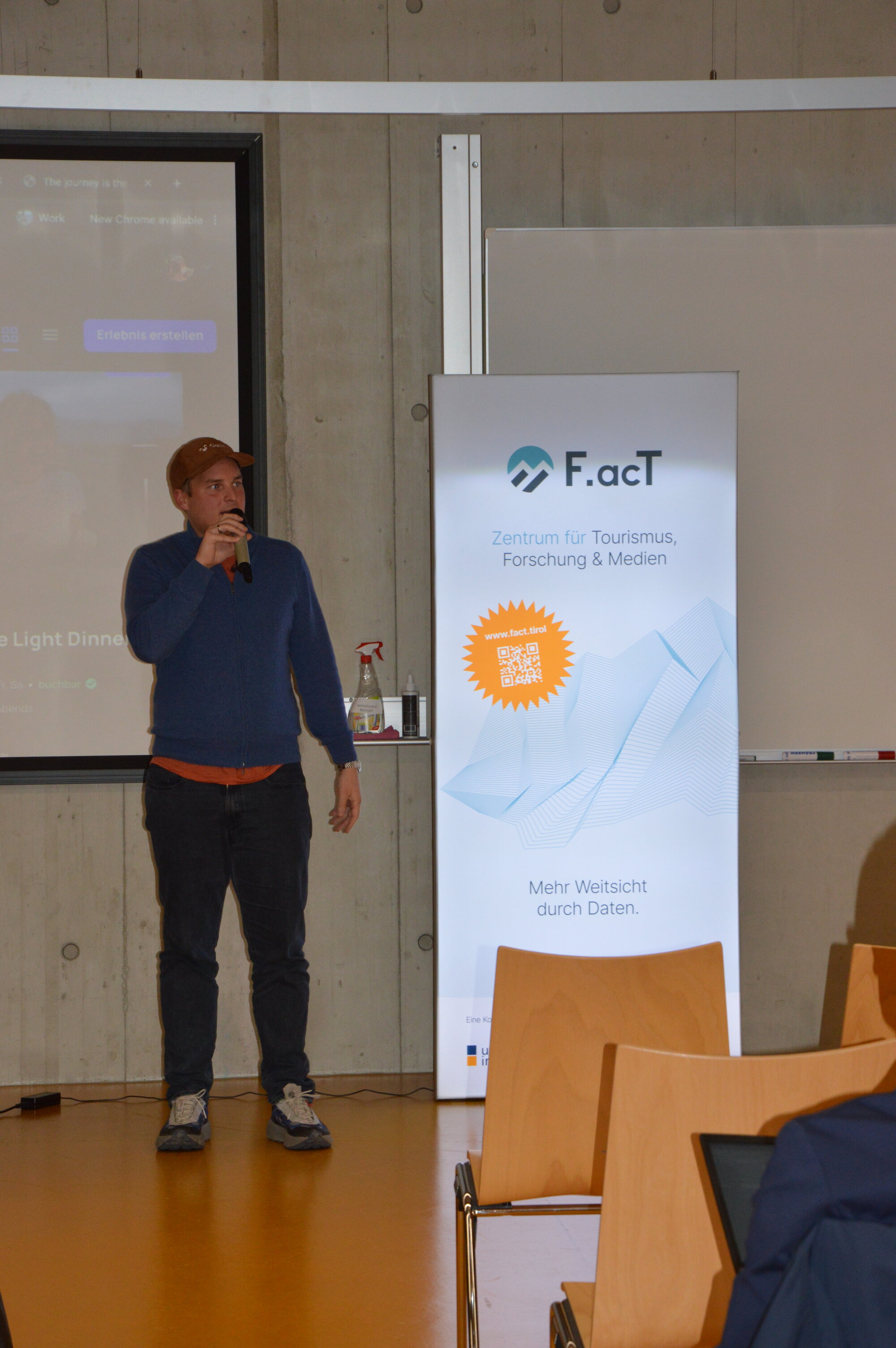
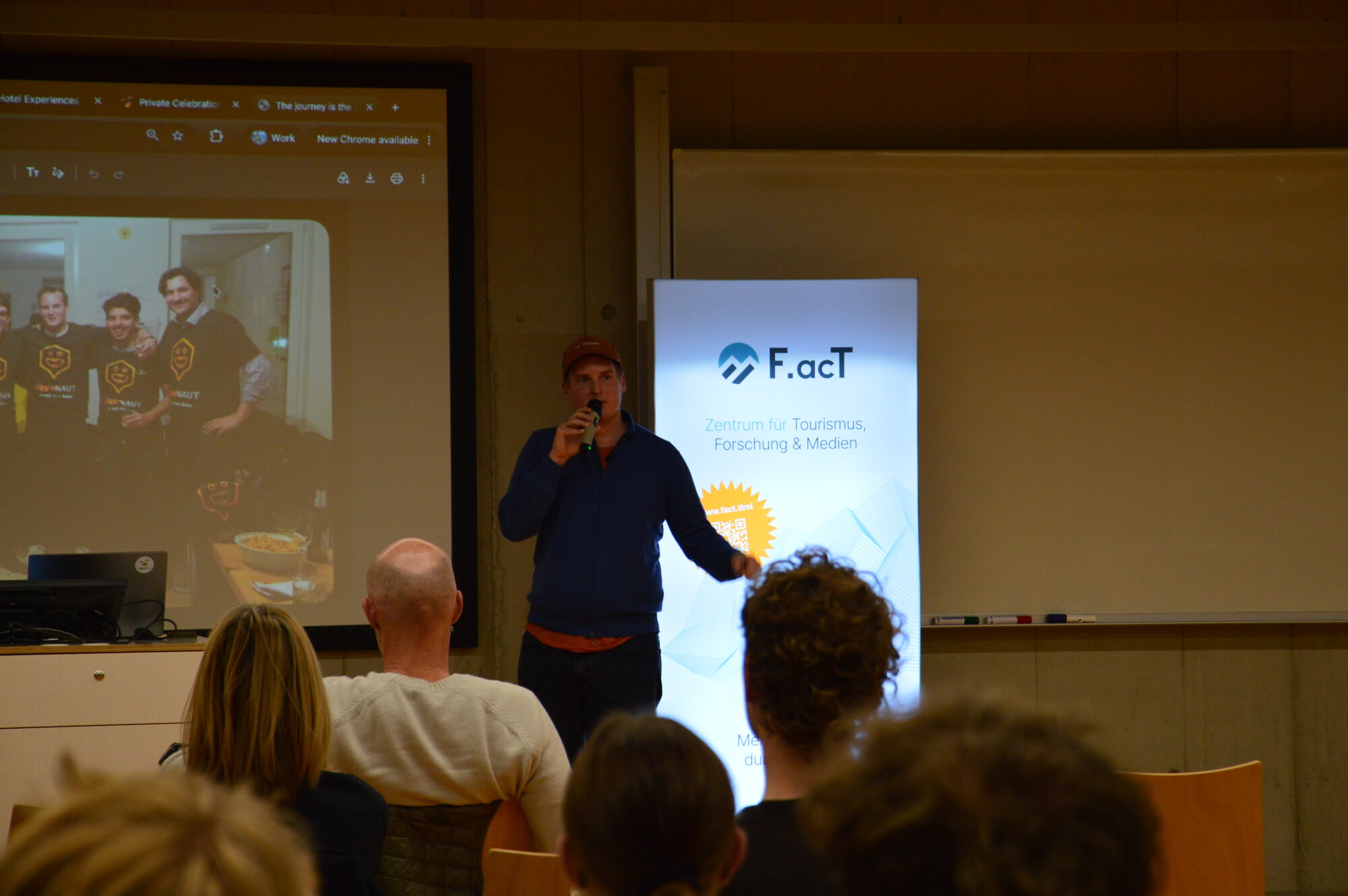
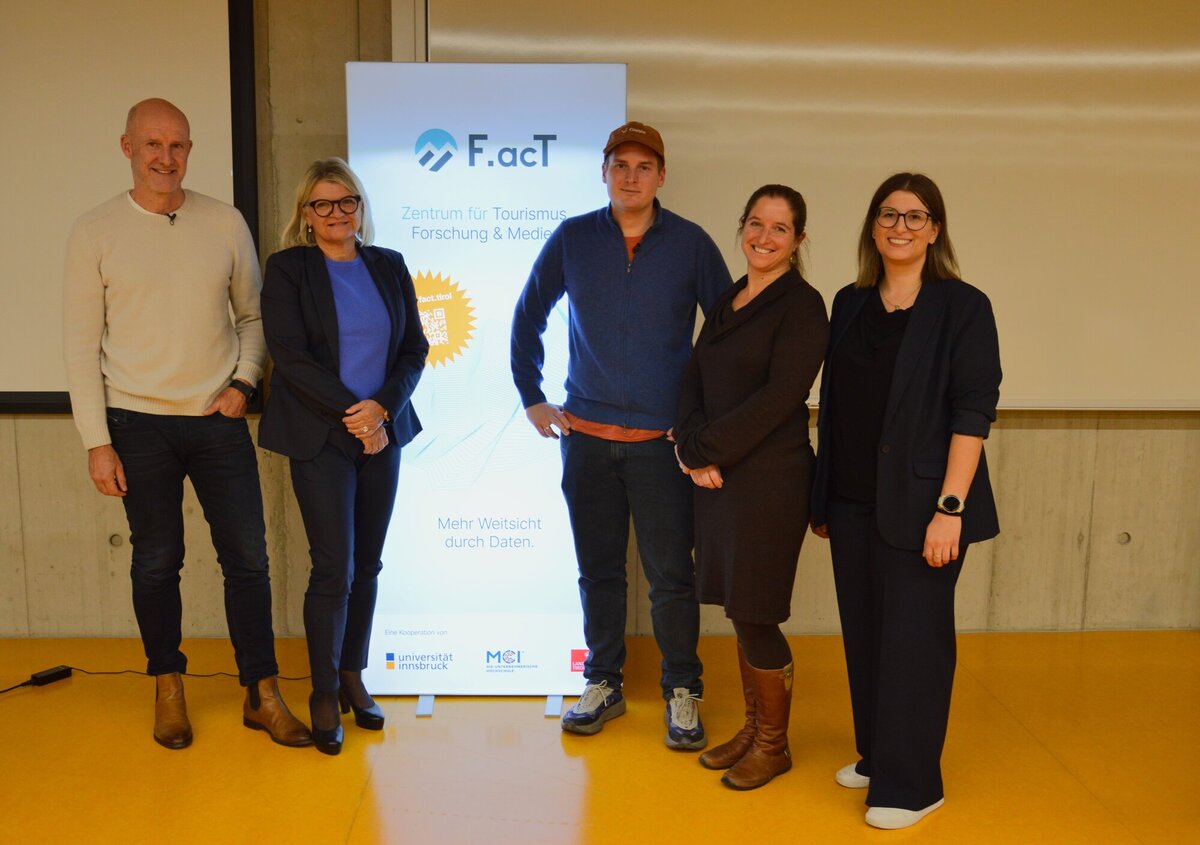
In his presentation “The Experience Layer,” Tobias Schrott, founder and CEO of Giggle.tips, addressed the question of how tourism businesses can make their experiences visible and bookable. “In tourism today, we no longer sell beds or rooms—we sell emotions. But in the end, these experiences aren’t worth much if you don’t make them visible. That’s why an experience shouldn’t just be listed on your own website—it needs to be bookable in every app and every AI tool. That’s exactly where Giggle.tips comes in,” said Schrott.
The product transforms offerings—such as yoga classes—from over 1,000 upscale hotels into bookable experiences in just a few minutes. This includes payment processing, capacity management, and administration. The experiences are thus delivered throughout the entire customer journey across more than 110 platforms, tools, and hotel systems.
Schrott also spoke about his own experiences with failure: “At age 21, we were in Berlin, wearing our startup team shirts and full of euphoria. An investor promised us one million euros. We then hired our first senior developers. But it turned out that the investment never actually existed. We were already 30,000 € in debt and had to generate revenue. So we focused on what we knew how to do and brought the technology into the tourism industry. That’s how Giggle emerged from a failed social app.”
Third Edition Delighted 90 Participants
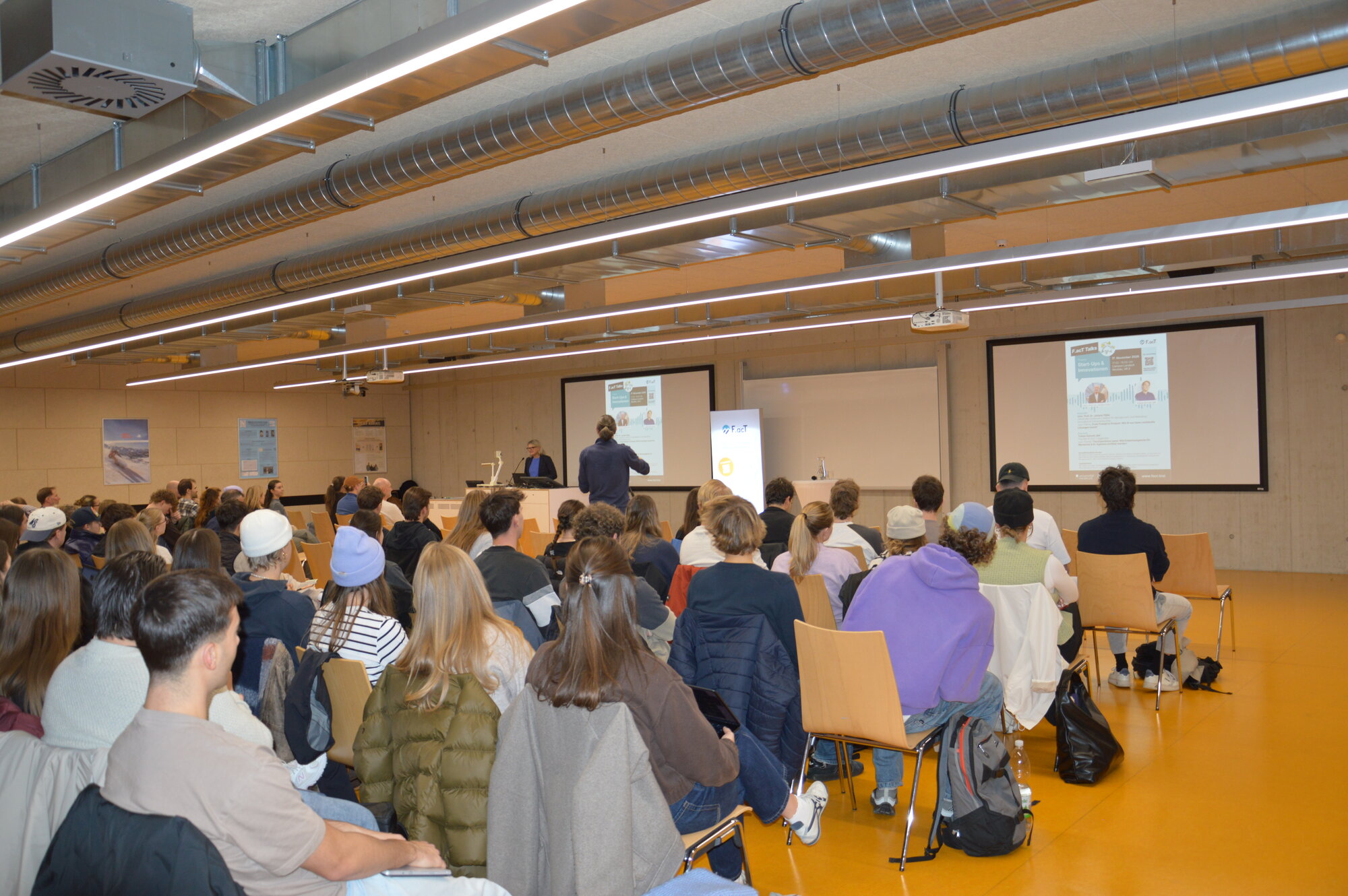
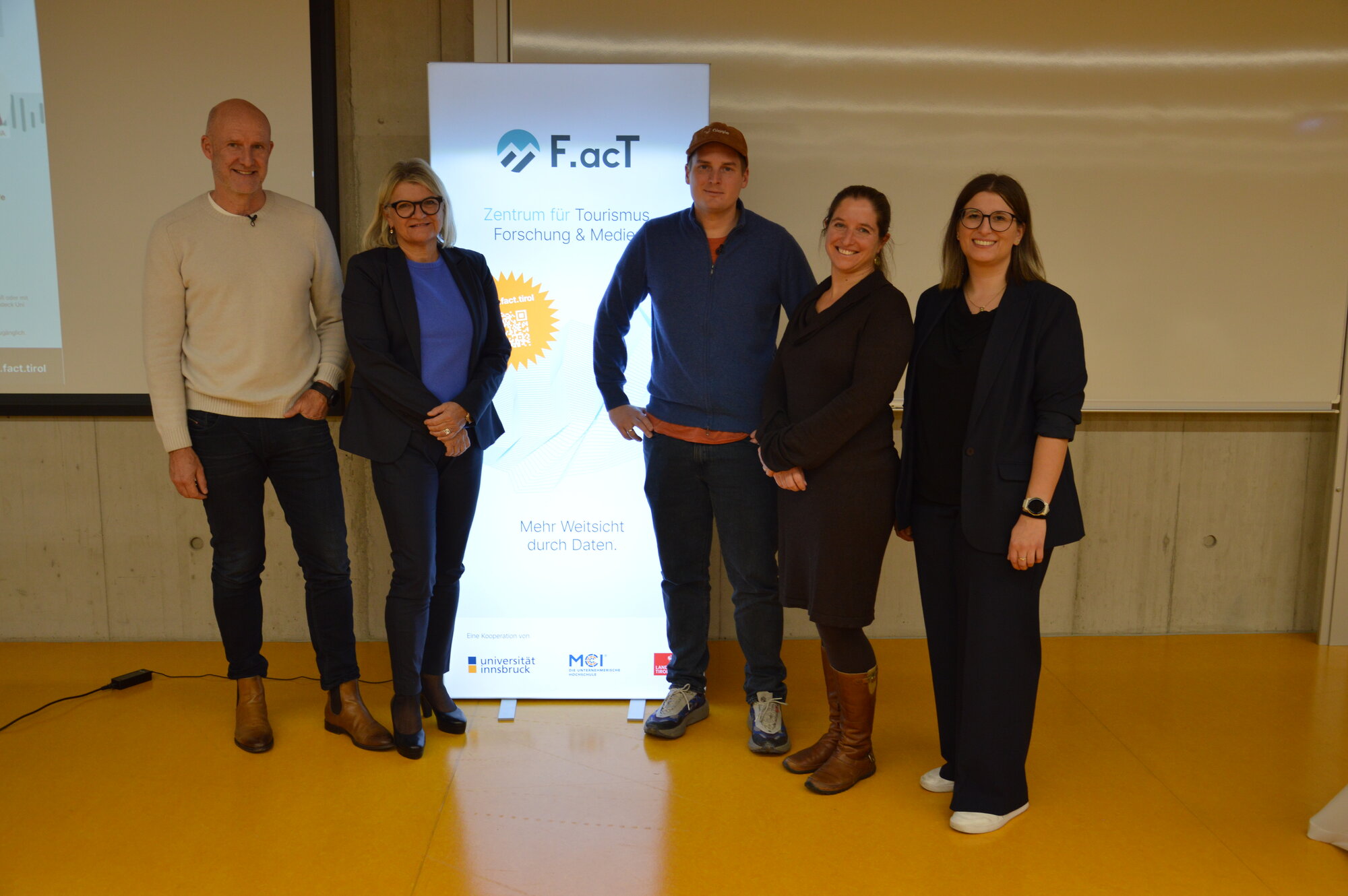
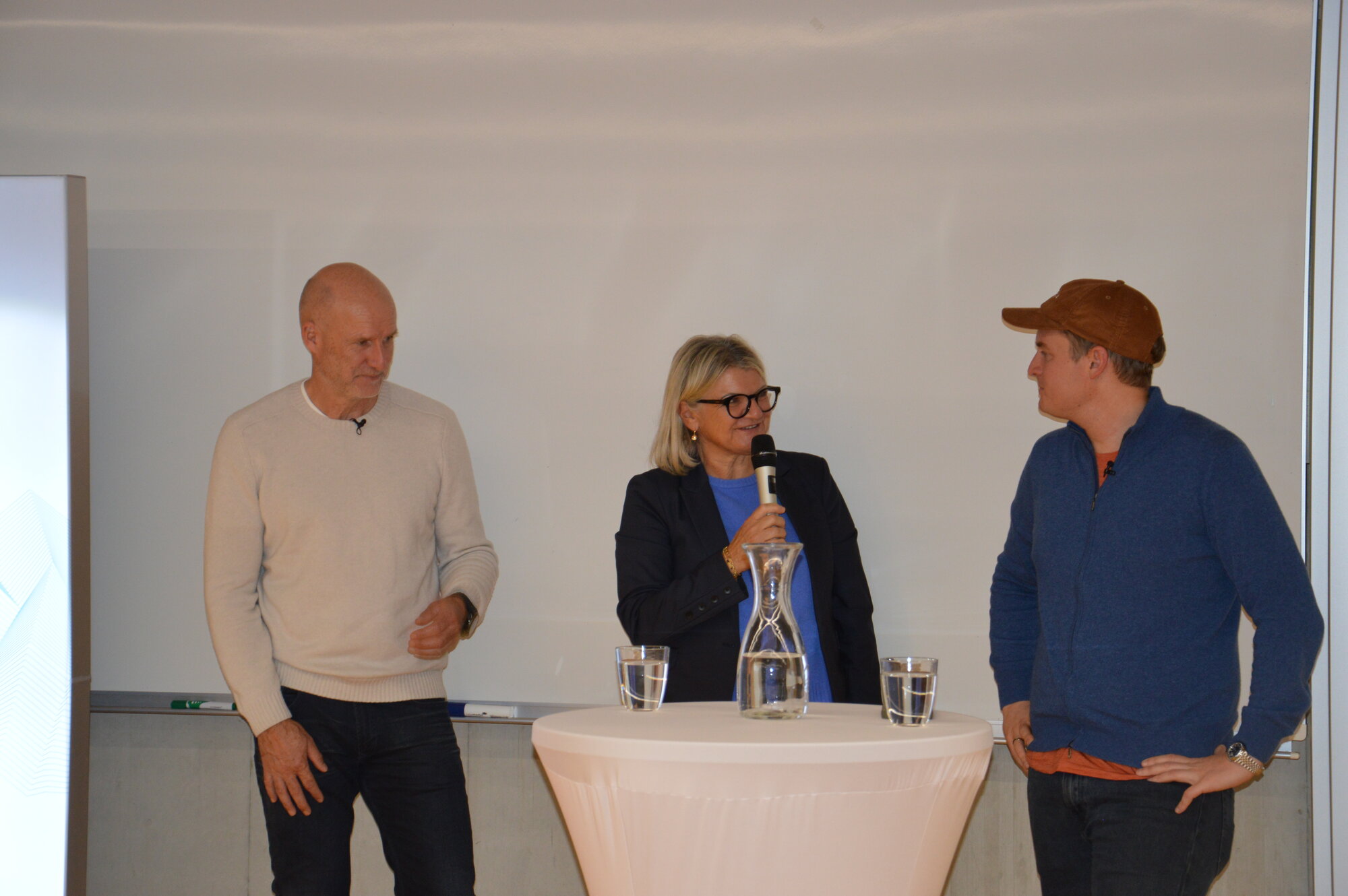
“We are very pleased to have welcomed 90 participants here in Landeck. Even for the third edition of F.acT-Talks, it was important to us to continue evolving. That’s why the event was held as a green event for the first time. My thanks go to the F.acT team, which transfers scientific knowledge into practice with great dedication,” summarized Univ.-Prof. Dr. Birgit Pikkemaat from the Institute for Management and Marketing, SME and Tourism Team at the University of Innsbruck.